
Non-ferrous metal recovery
Separate aluminum and copper from shredded battery streams using high-speed eddy current forces.
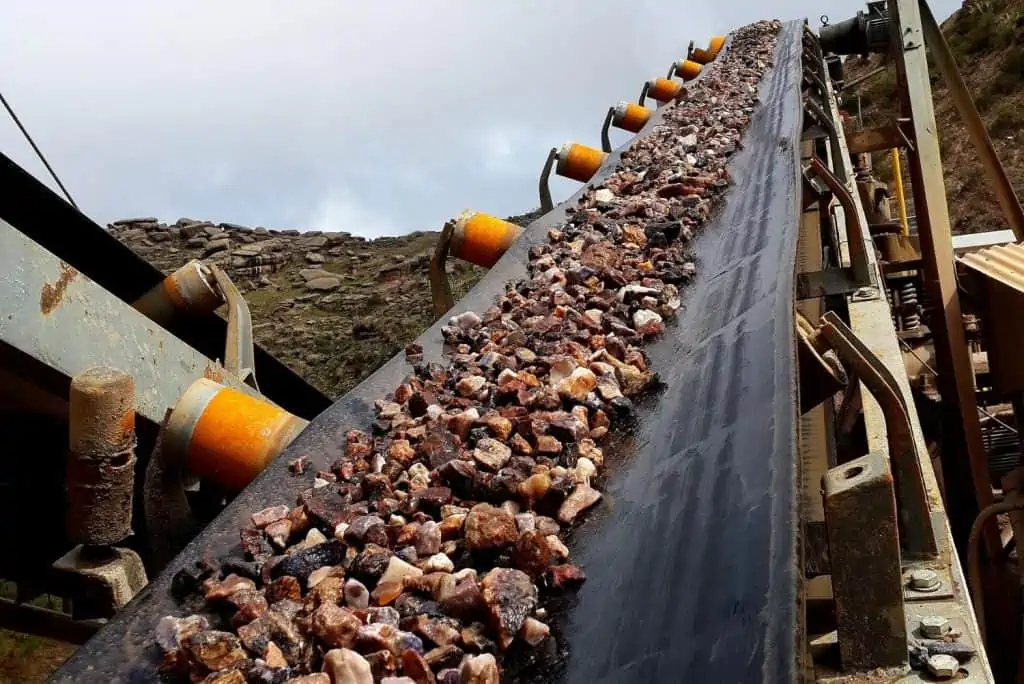
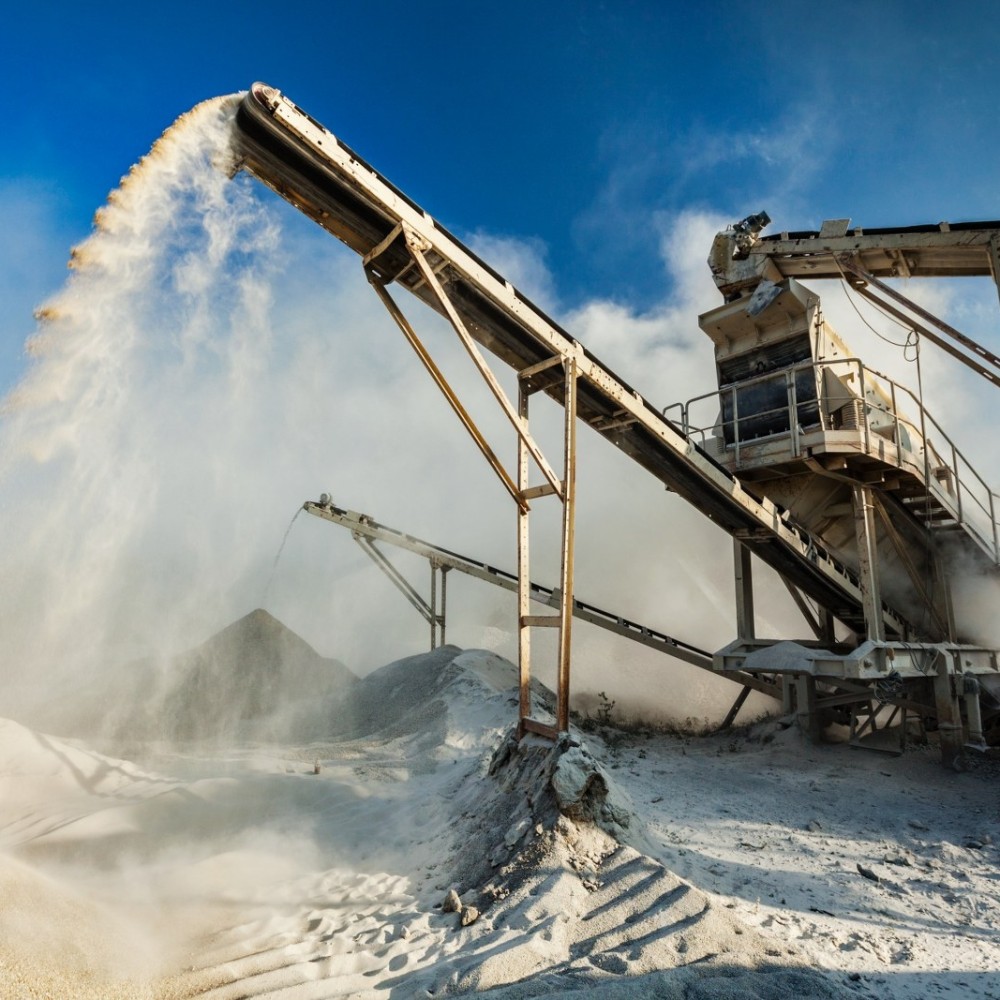


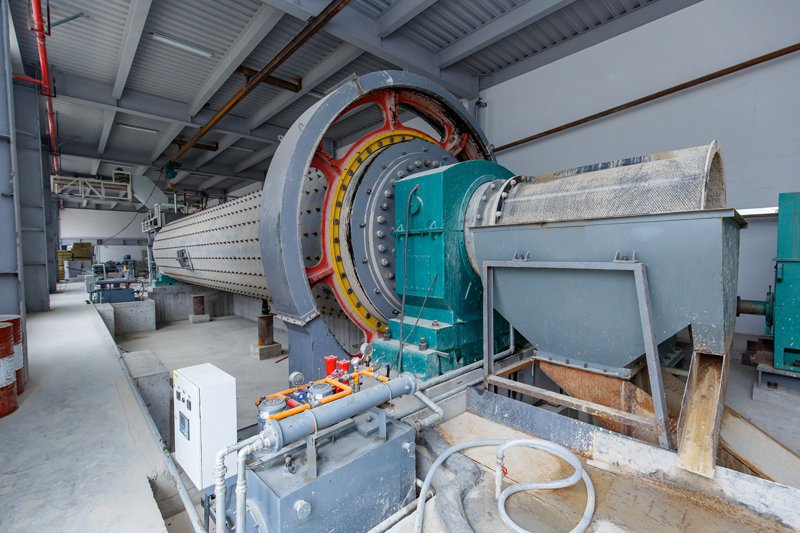

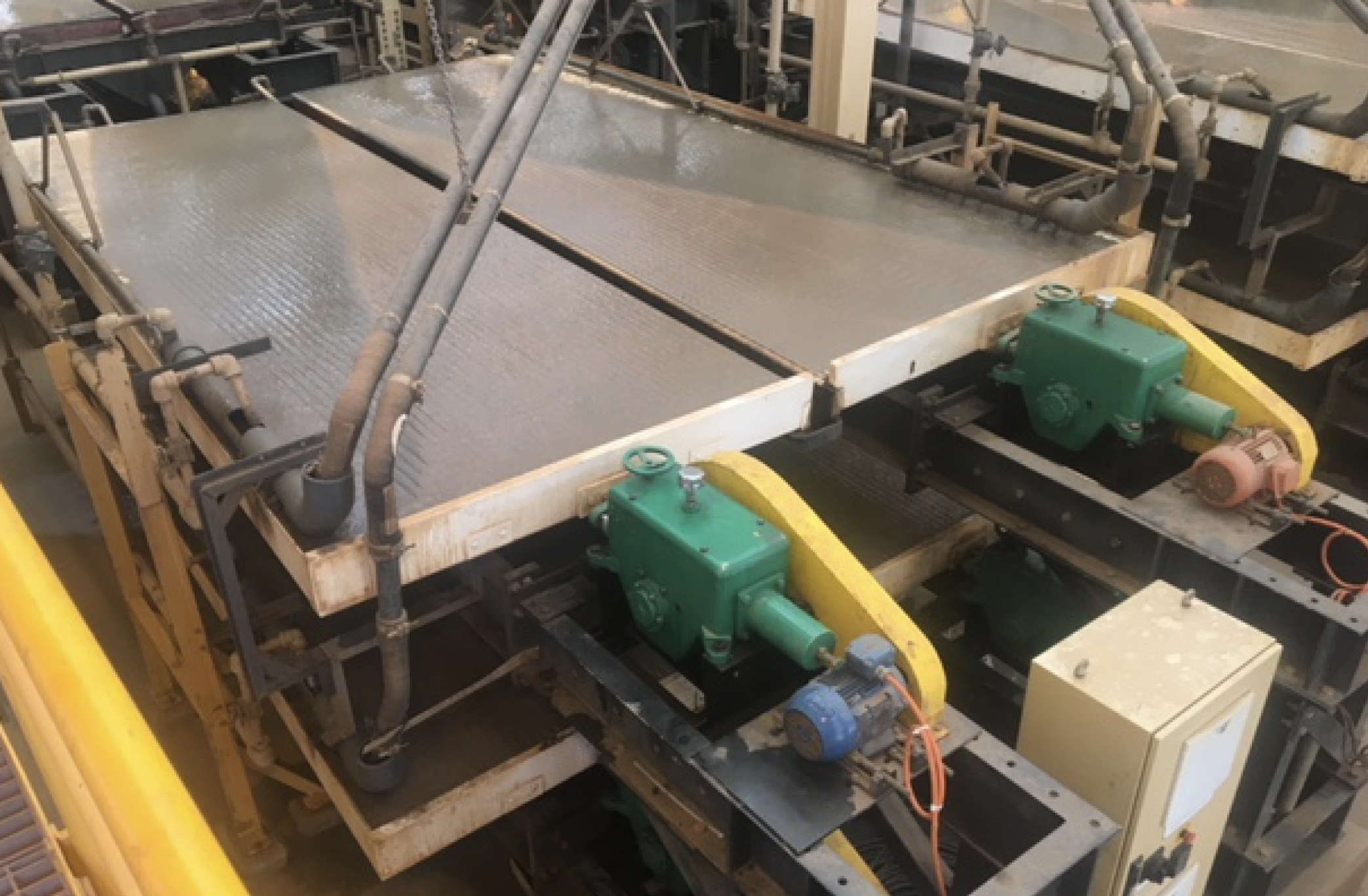


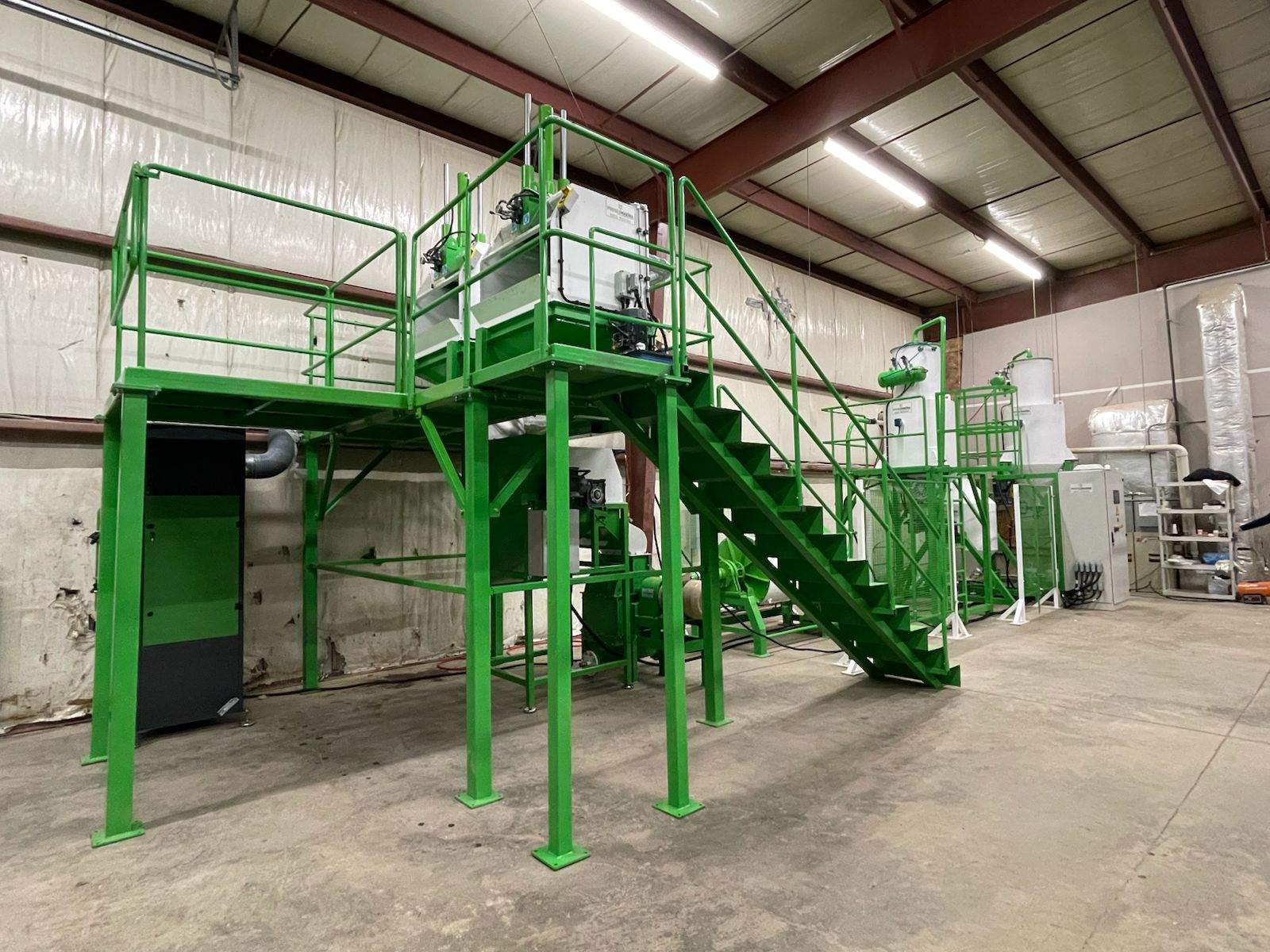
Eddy current separation unit for battery recycling: recover non-ferrous metals like aluminum and copper from shredded streams. By P Makina.

Separate aluminum and copper from shredded battery streams using high-speed eddy current forces.
Tune splitter, belt speed, and rotor frequency for purity vs recovery balance.
Industrial conveyor design keeps battery recycling material moving at production rates.
Panels and windows support inspection without long production interruptions.
Guards, warnings, E-stop, and bolted frames for regulated recycling facilities.
An eddy current separation unit recovers non-ferrous metals from shredded battery recycling streams. After ferrous removal and size control, conductive particles such as aluminum and copper are ejected by a high-speed magnetic rotor while plastics and other non-conductors follow a different trajectory. P Makina integrates eddy current separation units into battery recycling lines so valuable non-ferrous fractions are captured before hydrometallurgy or disposal.
Without an eddy current separation unit, aluminum foils and copper fragments can dilute black mass or report to the wrong bin. With a correctly tuned ECS conveyor and splitter, plants raise metal recovery, improve product purity, and reduce losses that hurt battery recycling economics.
Material is spread on a belt that carries it over a rapidly rotating magnetic rotor at the head pulley. Changing magnetic fields induce eddy currents in conductive particles; the resulting force repels those particles forward into a metals chute. Non-conductive material drops nearer the pulley into a separate discharge. Splitter position, belt speed, and rotor frequency determine cut quality on an industrial eddy current separation unit.
Lithium-ion packs contain aluminum and copper foils alongside plastics and electrode powders. After shredding, pulverization, and sieving, mixed fractions still carry non-ferrous metals that magnets alone cannot remove. An eddy current separation unit targets those conductors specifically, complementing magnetic drums used for ferrous steel.
Cleaner non-ferrous concentrates can be sold or remelted, while cleaner non-metal streams protect black mass quality entering chemical leaching systems.
Typical order: shredder → pulverization → gradual/ultrasonic sieving → magnetic ferrous removal → eddy current separation unit → further sorting or black mass handling → leaching/SX. Feeding ECS with a controlled size band improves separation; extreme fines may need screening first so the rotor sees a free-flowing bed.
Search terms include eddy current separation unit, eddy current separator for battery recycling, non-ferrous metal recovery, aluminum copper separation from shredded batteries, and ECS recycling equipment. P Makina content and layouts map to these intents.
Too aggressive a splitter setting contaminates the metal product with organics; too conservative a setting leaves copper and aluminum in the waste. Adjust rotor frequency, belt speed, and feed rate together. Sample both outlets every campaign. Document settings for each size fraction so crews can repeat good results on the eddy current separation unit.
Strong magnetic fields and rotating parts require guards, warning labels, and lockout before opening panels. Keep belt tracking true, scrapers clean, and bearings lubricated. Remove tramp ferrous early—large steel can damage rotors. Crane lifting eyes and bolted bases support safe installation of heavy ECS frames.
Shredded battery dust is abrasive and airborne. Enclose transfers and connect pick-ups to the dust collector system. Place the eddy current separation unit on mezzanines or floors with clear chute access for metals and non-metals bins. Good logistics prevent remixing of already-separated streams.
Belt width, rotor length, and feed tonnage determine capacity. Particle size distribution and moisture affect trajectory. Twin lines or wider units serve higher battery recycling throughputs. P Makina helps size the eddy current separation unit from your shredder/pulverizer output and target metal grades.
Contact P Makina with photos of current mixed fractions, size analyses, and hourly capacity. We supply eddy current separation units for battery recycling—conveyor ECS machines, feed systems, and plant integration—so aluminum and copper recovery stays industrial, adjustable, and reliable.
Non-ferrous recovery improves revenue and reduces impurity penalties in black mass. Stable ECS performance also lowers rework. Treating the eddy current separation unit as a controlled process step—with samples and setpoints—turns metal recovery into a managed KPI instead of chance sorting.
Combined with magnets, sieves, and wet refining, ECS completes the mechanical sorting toolkit that modern battery recycling plants need before chemical leaching and solvent extraction.
Verify belt direction, rotor rotation, splitter position, emergency stops, and chute labeling before production. Run a known feed trial, assay outlets, then lock settings. Train operators to recognize belt wander, overload, and unusual noise. Spare belts and scrapers keep the eddy current separation unit available on multi-shift duty.
P Makina supports layout, commissioning, and coordination with upstream shredders and downstream bins so non-ferrous separation starts clean on day one of battery recycling production.
Even bed depth matters. Vibratory feeders or well-designed hoppers spread material so particles can respond individually to the rotor field. Clumps act like non-conductors and report to the wrong chute. Keep moisture under control; wet fines stick to belts and blur trajectories on the eddy current separation unit.
Remove long wires and tramp that can wrap the rotor area. A few minutes of upstream discipline prevents hours of maintenance and protects ECS availability on multi-shift battery recycling plants.
Weigh metal and non-metal outlets, assay aluminum/copper content, and compare against feed. Rising organics in the metal bin means splitter or speed changes are needed. Rising metal in the waste bin means recovery is slipping. These checks make the eddy current separation unit a measurable profit center—not a black box.
Share your size distribution, target grades, and plant photos with P Makina. We will propose an eddy current separation unit layout that fits your shredder-to-leach flowsheet and keeps non-ferrous recovery on-spec from the first production week.
When ECS, magnets, and sieves work as one mechanical package, battery recycling plants send cleaner black mass to leaching and capture more aluminum and copper value before chemistry begins.
That coordination is the practical goal of specifying an industrial eddy current separation unit early in battery recycling plant design.


Answers about ECS non-ferrous recovery, aluminum/copper separation, and battery recycling sorting.

From the P Makina Blog
E Waste Recycling Machine: How to Choose Industrial Equipment: Complete Guide by P Makina E Waste Recycling Machine: How to Choose Industrial Equipment is one of the most searched industrial topics among investors and...
Read full article