
Dry air classification
Separate light plastics from heavier metal and PCB fractions without a wet circuit.
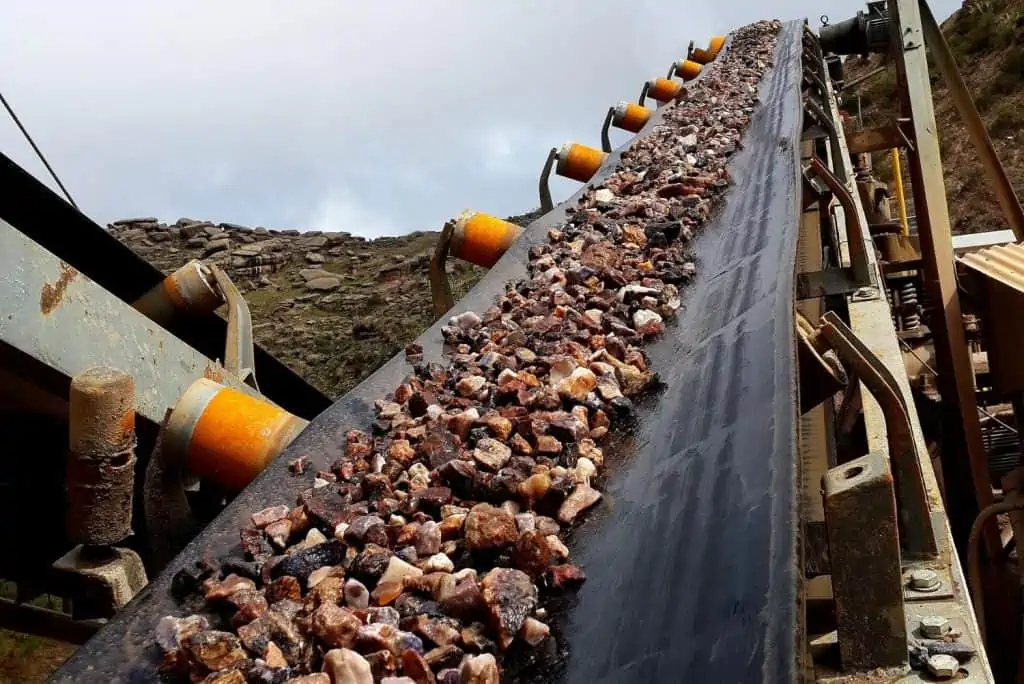
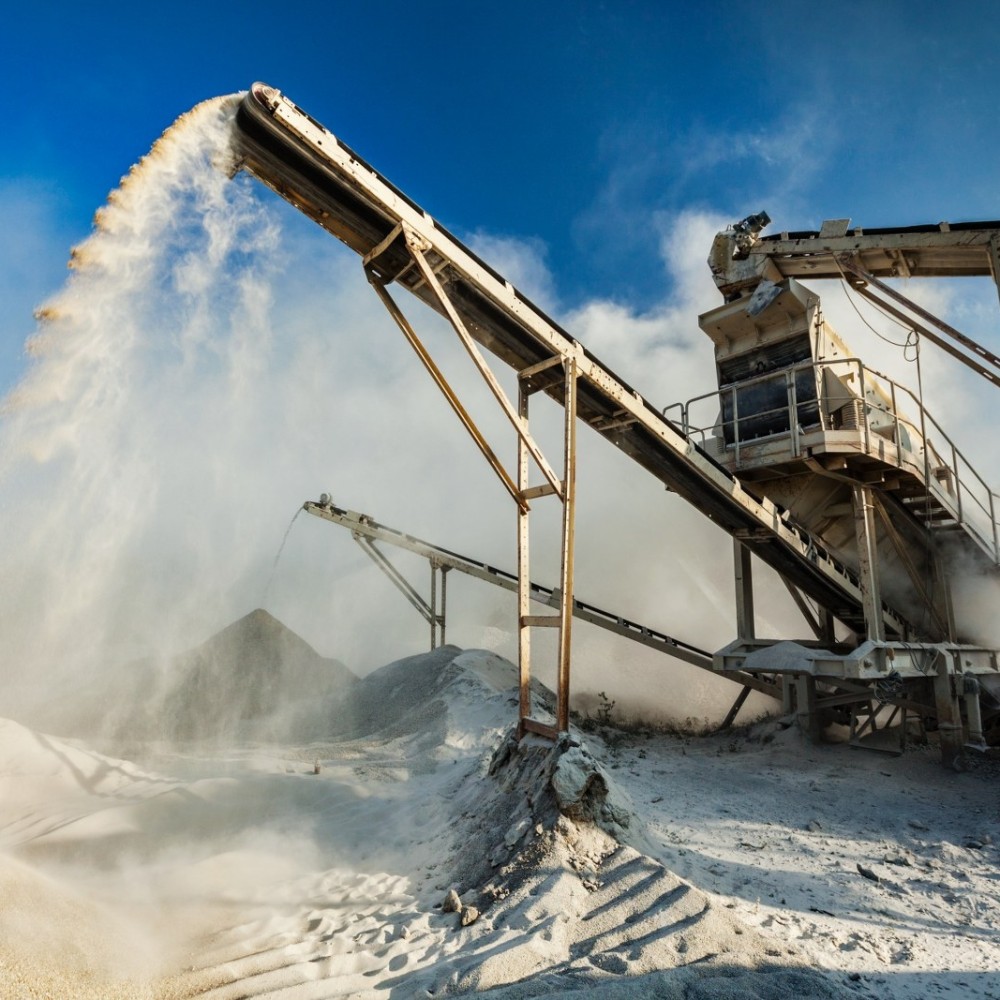


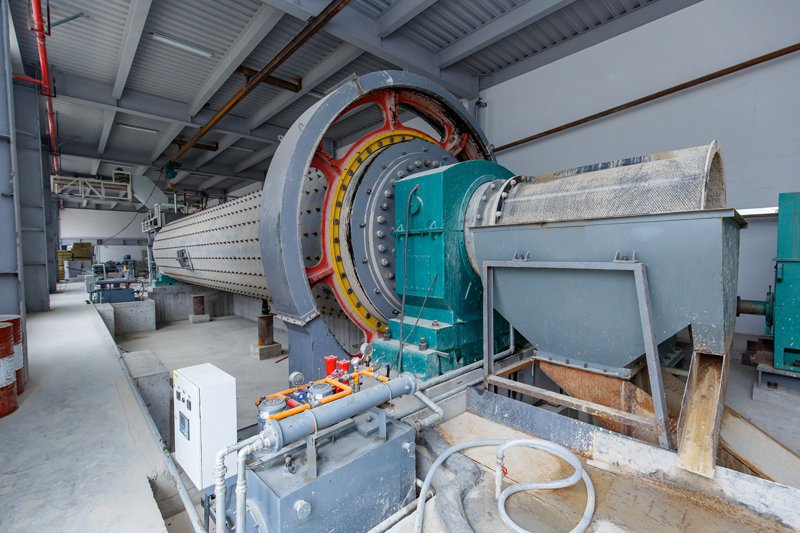

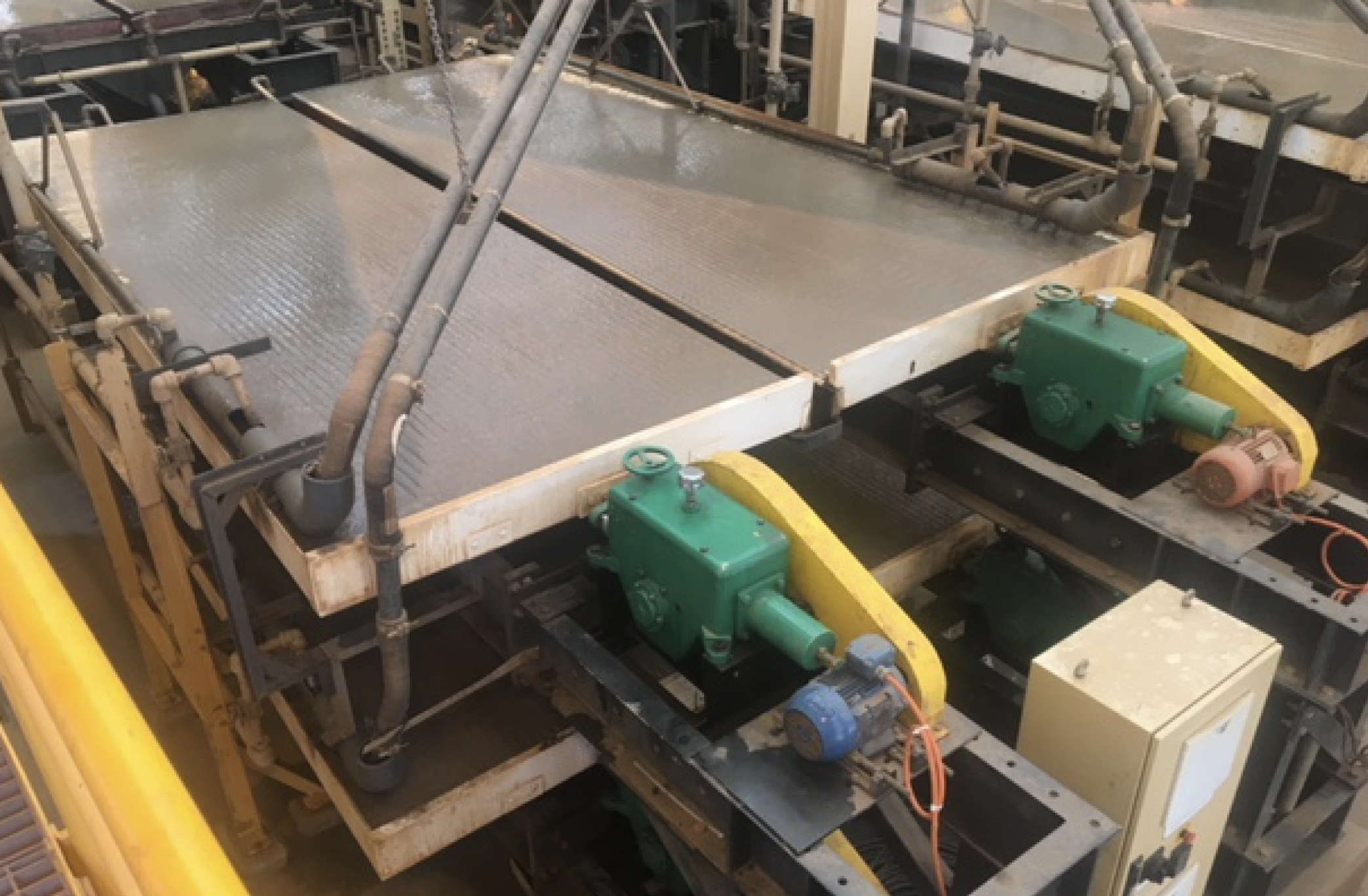


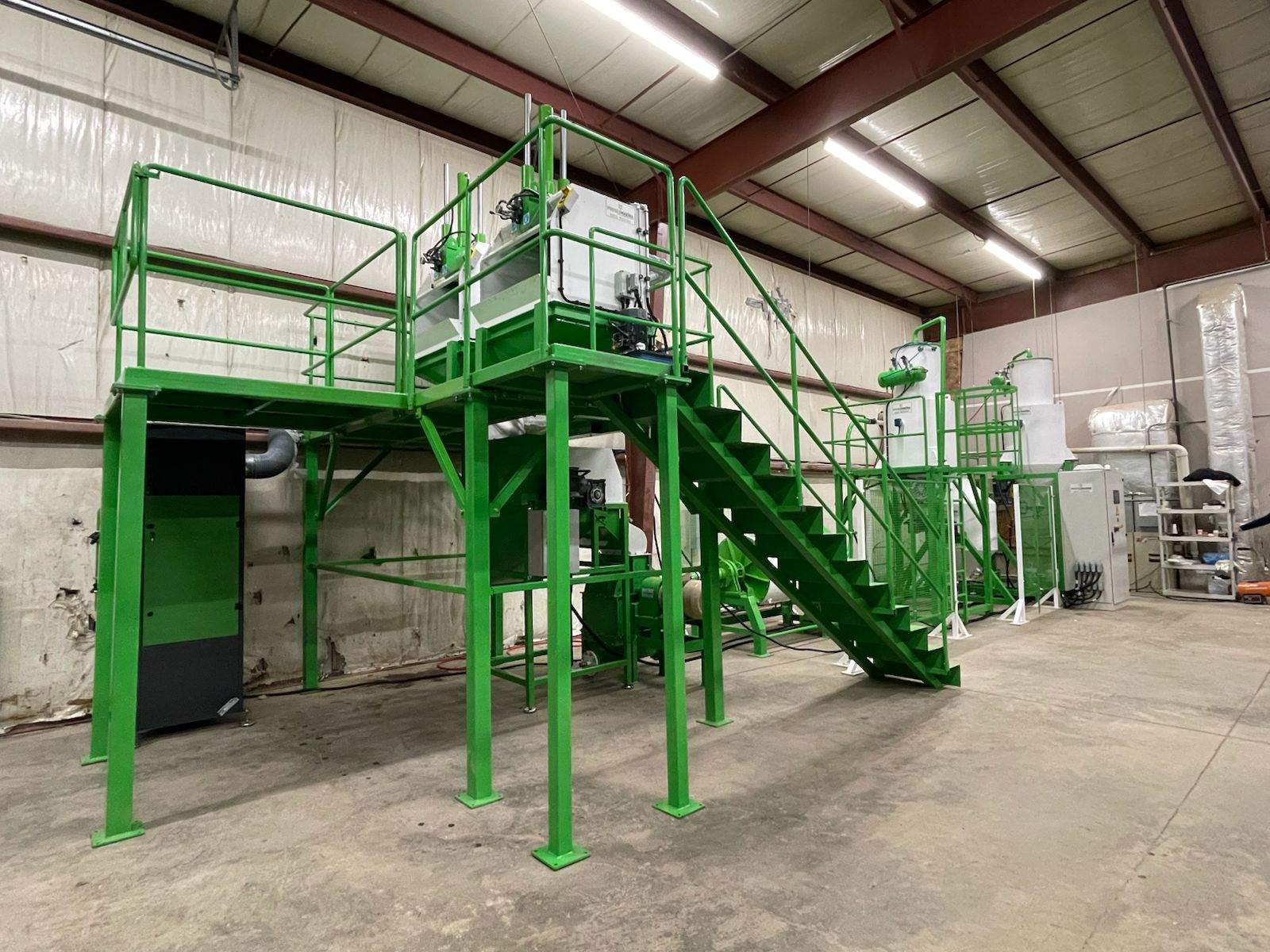
Air separator for e-waste recycling: vibratory air classification of light plastics and heavy metal fractions from crushed electronics. By P Makina.

Separate light plastics from heavier metal and PCB fractions without a wet circuit.
Controlled vibration presents particles evenly to the air stream for sharper splits.
Watch material flow in real time and fine-tune air and vibration settings.
Tune air volume, deck angle, and vibration for each e-waste campaign.
Fits after crushing and screening, ahead of magnets, tables, and refining.
An air separator is a dry density-classification stage used in industrial e-waste recycling lines. After shredding and crushing, mixed electronics still contain light plastics, foils, and dust alongside heavier metal and PCB fragments. P Makina designs and supplies air separator units that combine controlled airflow with vibratory deck motion to split light and heavy fractions for cleaner downstream metal recovery.
Unlike wet shaking tables that need water circuits, an air separator classifies particles in a fluidized air stream based on aerodynamic behavior—size, shape, and density. Light materials lift or travel with the air path; heavier grains stay on the deck and discharge through separate chutes. This makes the technology practical for plants that want dry sorting between crushing and magnetic, eddy-current, or densimetric stages.
Crushed WEEE and PCB streams are rarely ready for final concentration. Plastic housings, laminate dust, and film-like fragments dilute copper and precious-metal-bearing concentrates if they are not removed early. An air separator upgrades the heavy product by rejecting light contaminants while keeping metal-rich particles in a dedicated outlet.
For operators building or expanding electronics recycling capacity, dry air classification reduces water demand, simplifies housekeeping versus wet circuits in some duties, and stabilizes feed quality to magnets, density separators, and refining modules.
Feed enters the inclined separator chamber. A vibratory motor fluidizes the particle bed while process air is introduced through manifolds or decks so that lighter particles respond differently from denser grains. Inspection windows let operators watch stratification in real time. Heavy product advances toward one discharge chute; light product and fines report to another outlet or dust path.
Separation quality depends on feed rate, particle size distribution, air volume, deck angle, and vibration intensity. Correct setup maximizes plastic rejection without throwing valuable metal into the light stream—especially important for copper-rich PCB granulate and mixed electronic scrap.
A complete air separator is more than a fan and a box. Reliable e-waste performance depends on vibration isolation, air handling, viewing access, and clear product discharge.
The P Makina air separator is used wherever crushed electronics need dry light/heavy sorting. Typical duties include plastic rejection from PCB granulate, foil and film removal, pre-cleaning ahead of density tables, and upgrading metal-rich fractions before melting or further refining.
Because feedstock varies—consumer devices, IT scrap, mixed WEEE—the air separator is sized around capacity, particle size, target purity, and available dust-collection infrastructure. Modular layouts allow the same technology to serve mid-scale workshops and high-throughput industrial recycling plants.
Air classification works best when upstream crushing and screening present a controlled particle range. Extreme fines can overload the light stream; oversized pieces disrupt fluidization. Many lines place the air separator after an e-waste crusher and sizing screens, then send heavy product to magnetic, eddy-current, or wet density separation.
Dust extraction remains important. Fine plastics and powders should be captured with sealed ducts and filtration so the workshop stays clean and metal losses in airborne fines are reduced. Good integration keeps the air separator a stable node rather than a bottleneck in the full e-waste flowsheet.
A well-tuned air separator improves plant economics by converting mixed granulate into clearer light and heavy streams. Operators gain higher metal concentrate quality, less plastic in melt charges, and more predictable performance from downstream separators. Dry operation can also simplify plant water balance where wet sorting is reserved for later polishing stages.
Key operating advantages include adjustable air and vibration settings, visual process monitoring through windows, vibration-isolated mounting, and continuous industrial duty. When combined with shredders, crushers, magnets, and density separators, the air separator becomes a practical dry sorting stage in a complete recycling line.
Present an even feed curtain rather than pulsing large dumps onto the deck. Start with moderate air and vibration, then increase until light plastics lift cleanly while copper and heavy grains stay in the heavy chute. Sample both outlets for metal grade and plastic content during commissioning.
Keep windows clean, isolators inspected, and chute paths clear so products do not remix after separation. Document setpoints for each scrap campaign—board-rich versus plastic-rich feeds—so operators can reproduce results. These habits keep the air separator delivering stable light/heavy splits across shifts.
Air separation and wet density tables often complement each other. The air separator removes bulk light plastics and films early; a shaking table can then polish copper meal and pin fractions with higher precision. Choosing the order depends on water availability, dust strategy, and target concentrate grade.
For many e-waste plants, starting dry reduces slurry handling and lets wet stages focus on high-value heavies. Reviewing both options together with capacity and feedstock type helps P Makina size an air separator that fits the rest of the mechanical sorting train without overloading any single unit.
Inspect vibratory motor mounts, rubber isolators, and chute fasteners on a fixed schedule. Worn isolators increase frame vibration and can blur separation quality. Keep air inlets clear of packed fines so manifold balance stays consistent across the deck.
Follow lockout procedures before opening inspection covers or adjusting internal decks. Training operators to read window patterns—plastic lift versus metal bed—shortens troubleshooting time and keeps the air separator productive during feedstock changeovers in continuous e-waste service.
If your e-waste recycling line needs reliable dry sorting of light and heavy fractions, contact P Makina to review particle size, capacity, and purity targets. We size and supply air separator systems that upgrade metal concentrates and reject plastics with stable continuous operation.


Answers about dry air classification, plastic rejection, and e-waste sorting lines.

From the P Makina Blog
E Waste Recycling Machine: How to Choose Industrial Equipment: Complete Guide by P Makina E Waste Recycling Machine: How to Choose Industrial Equipment is one of the most searched industrial topics among investors and...
Read full article