
Tumbler reactor leaching
Angled tumbler design improves solid–liquid contact for faster PGM dissolution in the chemical refining system.
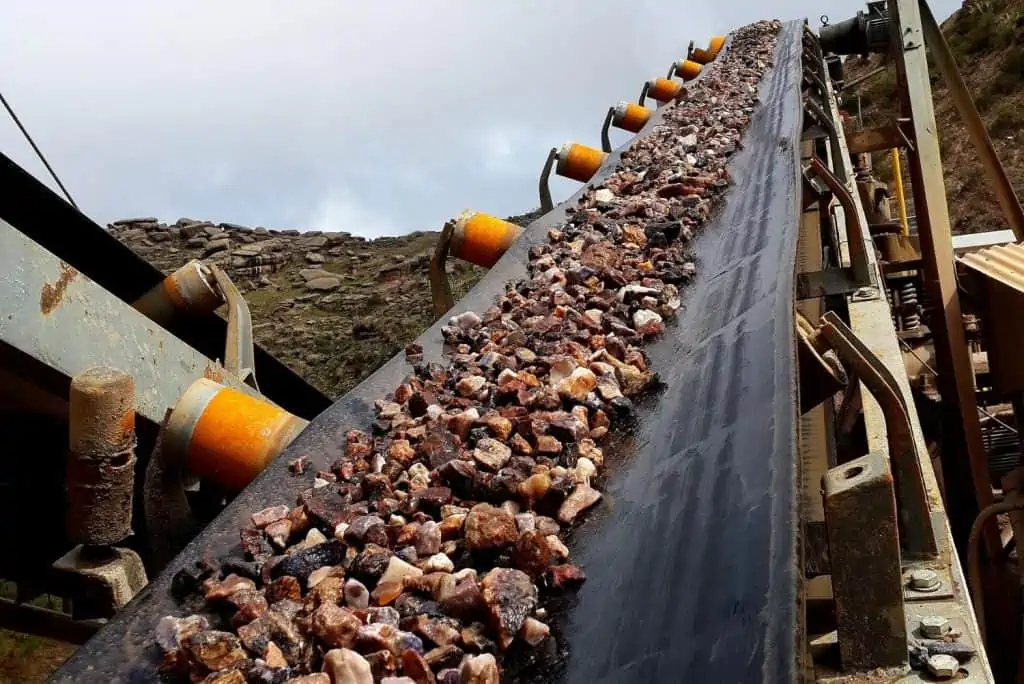
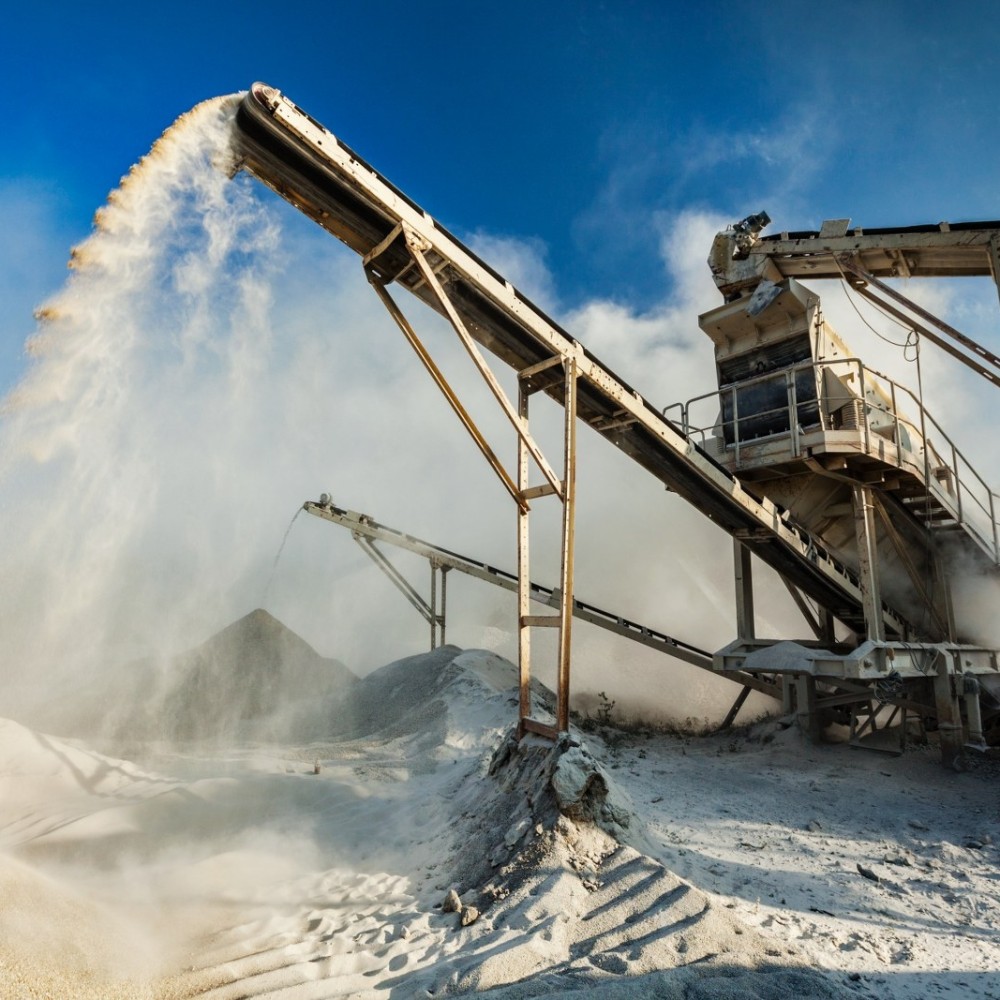


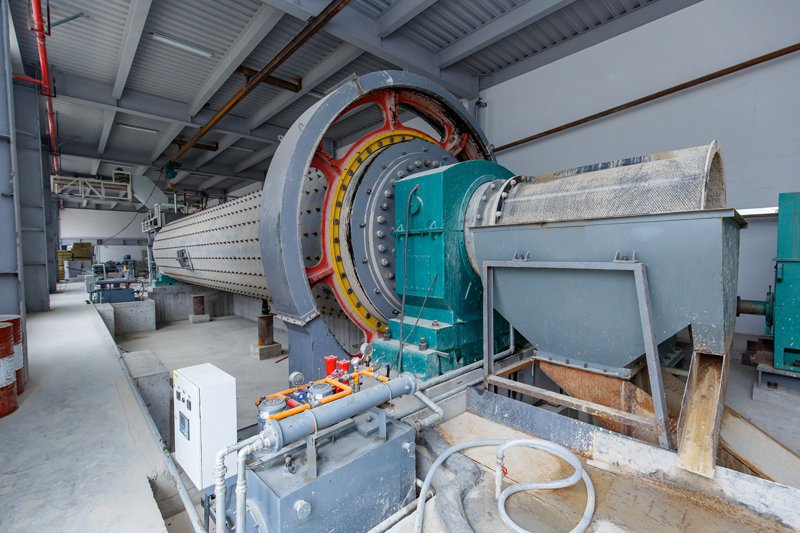

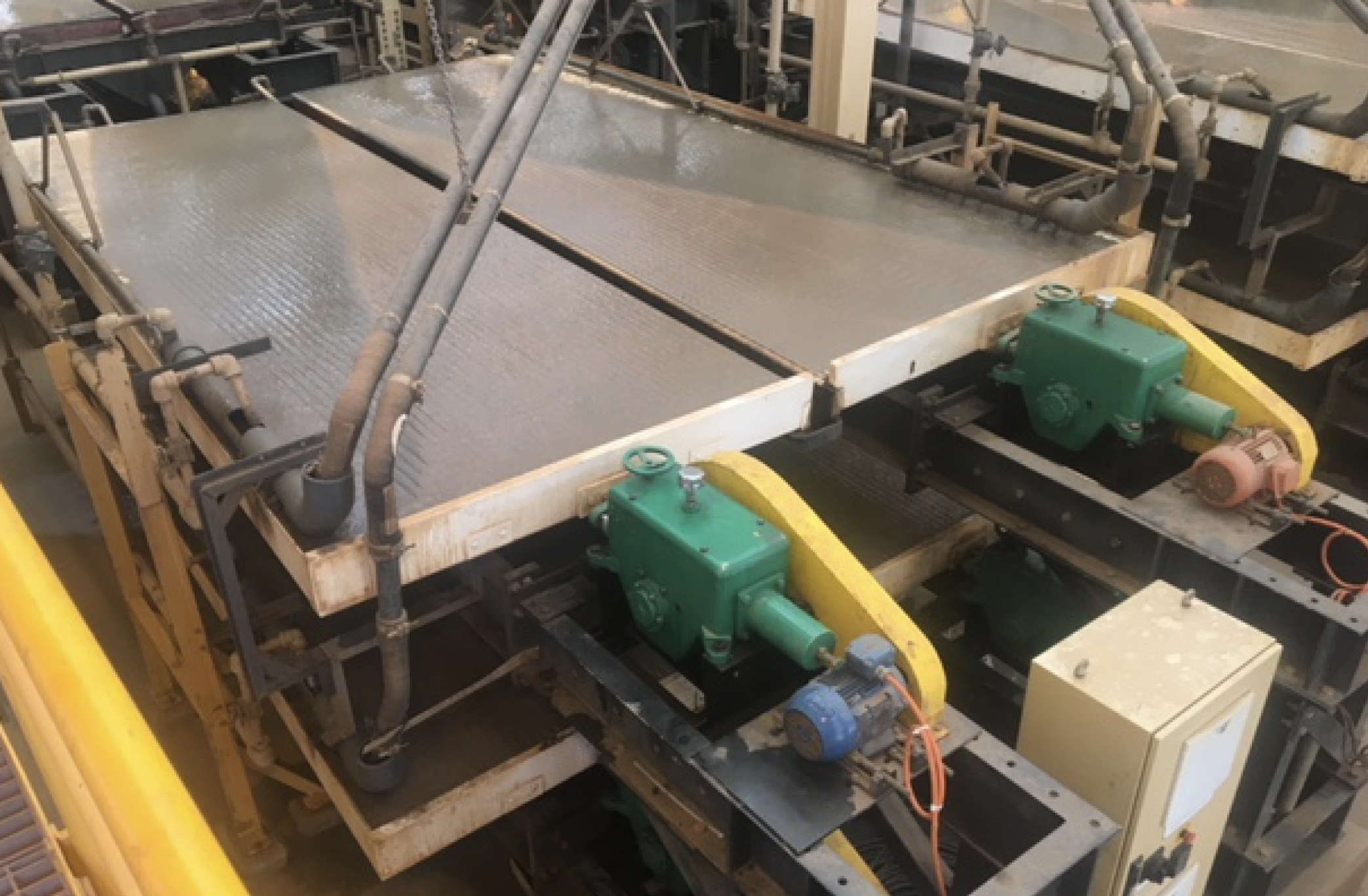


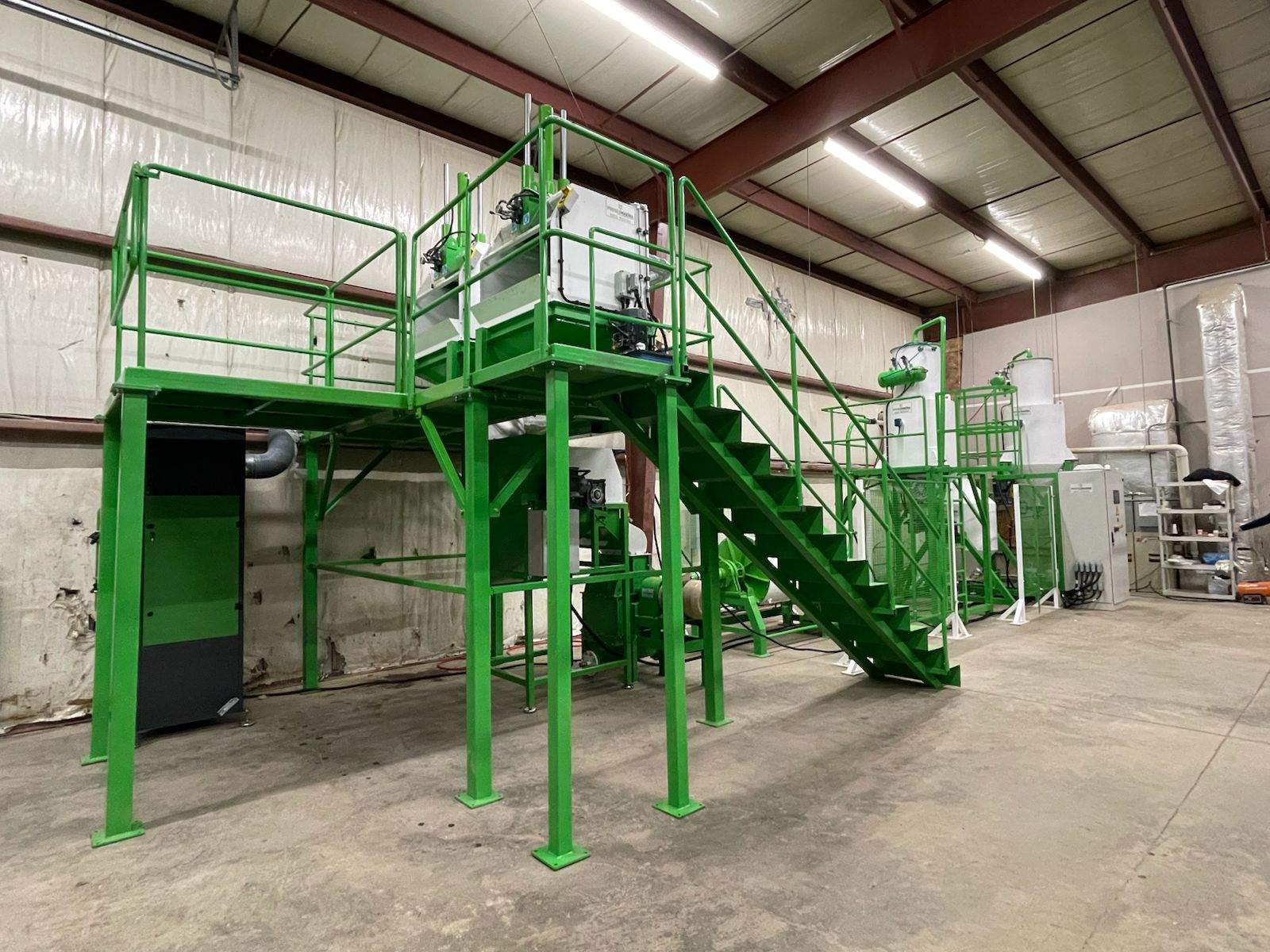
Chemical refining system for PGM recovery—platinum, palladium and rhodium from spent catalysts and catalytic converters. Built by P Makina.
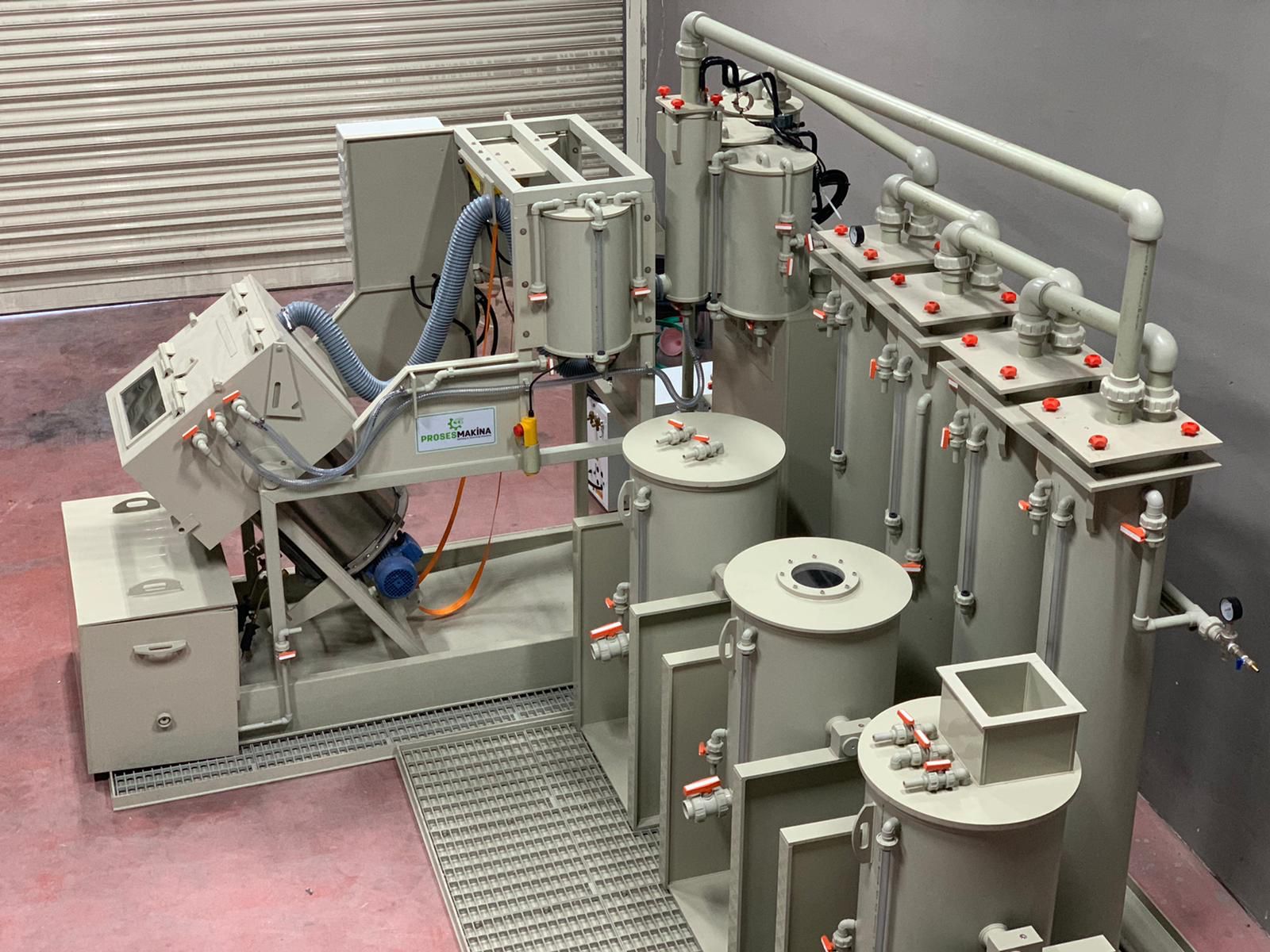
Angled tumbler design improves solid–liquid contact for faster PGM dissolution in the chemical refining system.
Air treatment and neutralization modules help manage hazardous gases formed during chemical refining reactions.
Choose PP, titanium, stainless steel, or static glass vessels matched to your leaching chemistry.
Mobile PP wheel filters with diaphragm pumping support slurry and powder filtration in liquid circuits.
Vacuum generators plus speed and dosing control stabilize reactions and support safer plant operation.
A chemical refining system is the core of modern platinum group metal (PGM) recovery. P Makina designs and manufactures chemical refining systems that separate platinum, palladium, and rhodium from spent industrial catalysts, end-of-life catalytic converters, and metal alloys. For refineries and recycling plants that need consistent purity, controlled chemistry, and safe fume handling, a correctly engineered chemical refining system delivers both metal recovery and operational reliability.
PGMs include six chemically related elements. The light group covers ruthenium (Ru), rhodium (Rh), and palladium (Pd). The heavy group covers iridium (Ir), osmium (Os), and platinum (Pt). These metals are essential for catalysis, electronics, hydrogen technologies, and fuel cells. Because natural ore grades are limited and demand keeps rising, industrial operators invest in a chemical refining system to recycle secondary PGM sources at commercial scale.
Mechanical concentration alone cannot deliver the purity required for sellable PGM products. A chemical refining system dissolves target metals, removes base-metal impurities, and precipitates platinum group metals in controlled stages. Compared with incomplete scrap trading, in-house chemical refining improves transparency of assay results, reduces metal lock-up time, and supports long-term supply contracts with automotive and chemical customers.
P Makina builds each chemical refining system around your feedstock and target products. Whether you process ceramic honeycomb catalysts, metallic substrates, spent petrochemical catalysts, or PGM-bearing alloys, the flowsheet is sized for leaching kinetics, solids handling, filtration duty, and environmental compliance.
Typical PGM chemical refining follows three coordinated stages: smelting or pretreatment, chemical leaching, and selective separation. Recovered metals can be delivered as powder, sponge, ingot, or chemical salts depending on market requirements.
Feedstock is prepared so that PGM values are accessible to reagents. Depending on the material, this may include crushing, sampling, drying, roasting, or smelting to concentrate the PGM fraction. Homogeneous feed improves leaching yield and protects downstream equipment in the chemical refining system.
In the leaching stage, platinum, palladium, and rhodium are dissolved under controlled temperature, reagent dosing, and agitation. P Makina tumbler reactors place the vessel at a process angle that improves solid–liquid contact and shortens dissolution time. The chemical refining system can operate under vacuum conditions with speed control and automated dosing to stabilize reaction rates and reduce operator exposure.
After leaching, pregnant solutions move through filtration, purification, and selective precipitation circuits. Wheel filter equipment with a polypropylene body, mobile frame, and diaphragm pump transfers and filters solid or powder materials from liquid streams. Final PGM products are washed, dried, and sampled for assay before packing or further refining.
A complete chemical refining system is more than a single reactor. P Makina integrates process vessels, solids–liquid separation, vacuum utilities, heating options, and gas treatment into one plant package.
The P Makina chemical refining system is widely used for catalytic converter recycling and spent catalyst processing. Automotive catalysts remain one of the richest secondary sources of platinum, palladium, and rhodium. Industrial operators also recover PGMs from chemical plant catalysts, electronic scrap with PGM plating, and specialty alloys. By combining sampling discipline with a robust chemical refining system, plants convert variable scrap into consistent, high-purity metal streams.
Because every feedstock has different ceramic content, base-metal load, and PGM ratios, plant design must stay flexible. Modular reactor trains, filter capacity, and reagent storage allow your chemical refining system to scale from pilot campaigns to continuous industrial production.
Chemical refining of PGMs involves aggressive reagents and reactive off-gases. P Makina designs the chemical refining system with enclosed reaction zones, controlled dosing, vacuum support, and dedicated air treatment. Neutralization units treat fumes generated during dissolution so the plant can meet workplace and environmental expectations. Speed control, interlocks, and operator training further reduce risk during start-up and steady-state runs.
Stable instrumentation is part of recovery performance. Temperature, level, and dosing feedback help keep dissolution within the window that maximizes platinum and palladium yield while protecting rhodium values. Plants that document these parameters also improve auditability for customers who require chain-of-custody evidence.
No two refining projects are identical. P Makina engineers customized chemical refining system layouts for maximum efficiency against your process requirements, utility limits, and building constraints. Options include reactor metallurgy, heating strategy, vacuum package, filter mobility, and environmental modules. For investors building a broader PGM refining line, the chemical refining system can be integrated with sampling labs, melting, and product finishing under one turnkey scope.
Deliverables typically include process flow guidance, equipment lists, utility estimates, layout recommendations, and commissioning support. This approach shortens time from installation to first certified production lot.
A well-designed chemical refining system improves cash flow by converting scrap catalysts into sellable PGM products faster and with lower losses. Operators gain better control over recovery rates, reduce dependence on third-party toll refining when desired, and create a technical platform for future feedstocks. For companies already active in metal recycling, adding PGM chemical refining complements gold and silver circuits and strengthens the overall precious metal purification portfolio.
Keyword relevance for buyers searching this technology centers on chemical refining system, PGM refining, platinum palladium rhodium recovery, catalytic converter recycling, and precious metal purification. P Makina pages and proposals keep this language aligned with real equipment capability so technical teams and procurement teams share the same specification baseline.
Automotive catalyst recyclers, precious metal refiners, catalyst manufacturers with spent returns, and industrial recycling groups benefit most from a dedicated chemical refining system. If your assays show meaningful platinum, palladium, or rhodium content and you need repeatable plant-scale recovery, chemical refining is the practical route to high-purity products.
Contact P Makina to review feedstock assays, discuss reactor materials, and size a chemical refining system for your capacity target. Our team supports projects from process concept through equipment supply and start-up so your PGM recovery line performs safely and profitably.


Answers about PGM chemical refining, catalytic converter recycling, reactor options, and plant safety.

From the P Makina Blog
E Waste Recycling Machine: How to Choose Industrial Equipment: Complete Guide by P Makina E Waste Recycling Machine: How to Choose Industrial Equipment is one of the most searched industrial topics among investors and...
Read full article