
Automatic pH control
Dosing systems hold the optimum neutralization window for waste acid and base streams from refining plants.





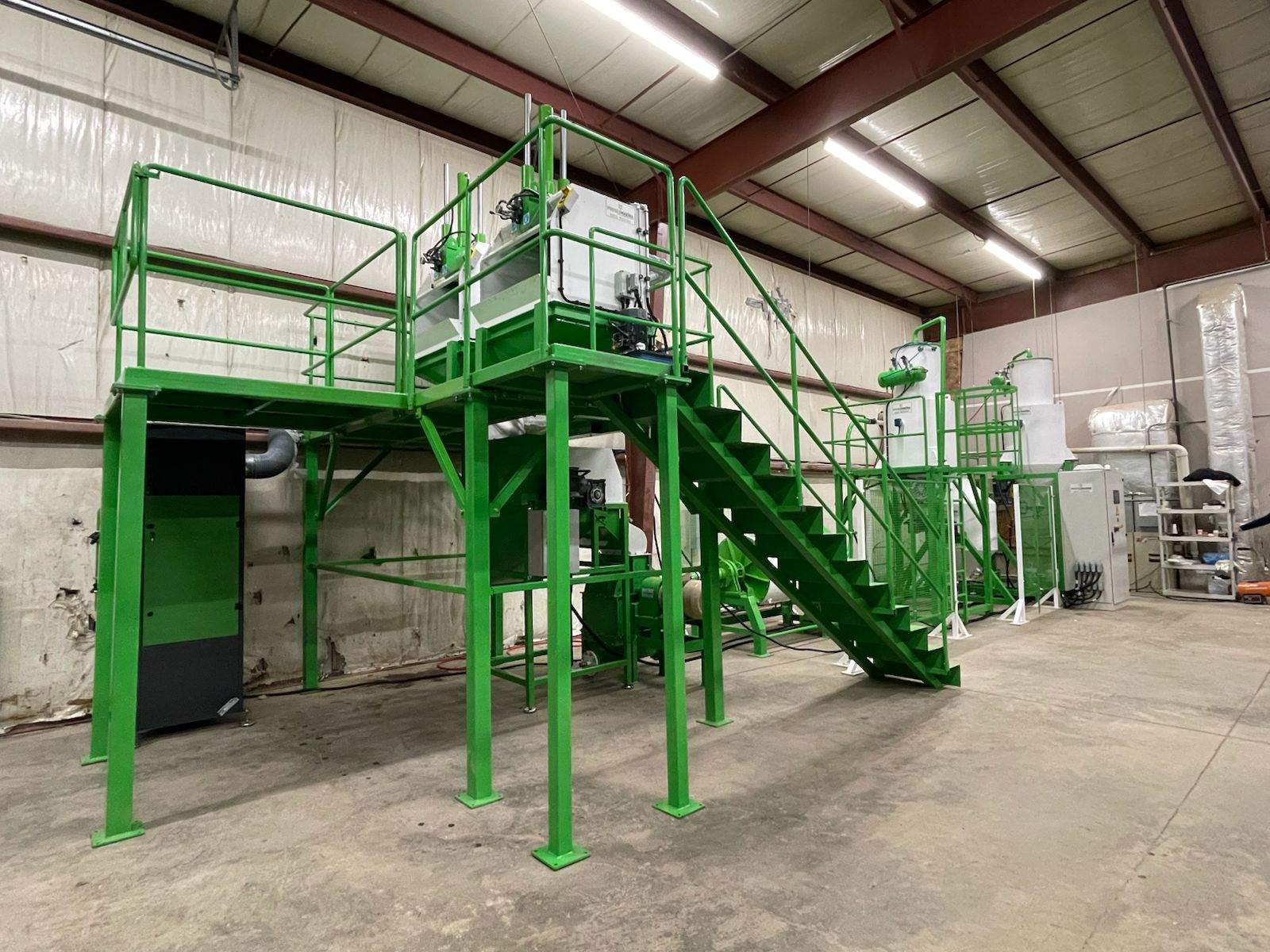
Waste acid treatment systems for PGM refining: pH neutralization, chemical dosing, sedimentation and filter press solutions by P Makina.
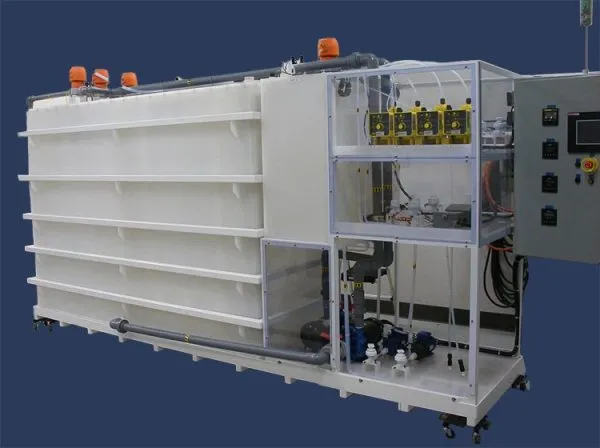
Dosing systems hold the optimum neutralization window for waste acid and base streams from refining plants.
Process design can reduce acid and base use by managing neutralized streams within a circular operating approach.
Chemical preparation, conditioning, sedimentation, pumps, and controls are engineered as one waste acid treatment system.
Clarification stages help precipitated solids settle so clarified water approaches environmental discharge limits.
High solids separation rates improve cake handling and protect downstream discharge quality.
A waste acid treatment system is essential wherever hydrometallurgical refining generates acidic or alkaline wastewater. P Makina designs and builds waste acid treatment systems that neutralize process liquors from platinum group metal (PGM) refining, gold refining, and related chemical plants so effluent can meet environmental discharge limits safely and consistently.
Spent acids from leaching, precipitation, and washing circuits can damage infrastructure and harm rivers or treatment networks if released untreated. National regulations typically require wastewater neutralization before discharge. A correctly engineered waste acid treatment system uses controlled chemical dosing, mixing, sedimentation, and solids separation to bring pH into a safe range—commonly around 7 to 8—while reducing corrosion risk and protecting aquatic life.
PGM refining and catalytic converter recycling rely on aggressive reagents. At the end of hydrometallurgical operations, residual acid or base streams remain. Without treatment, these streams create environmental liability, odor and fume issues, and compliance problems. P Makina waste acid treatment systems are developed specifically for this duty: they integrate with refining lines, handle variable acidity, and automate neutralization so operators can focus on metal recovery rather than manual titration.
Beyond compliance, a robust waste acid treatment system supports plant uptime. Stable neutralization prevents unexpected shutdowns caused by off-spec effluent, and it can reduce overall acid and base consumption when neutralized streams or recovered solids are managed as part of a circular process strategy.
The primary goal of a pH neutralization plant is to condition waste solution before environmental discharge or further polishing. Sensors measure incoming pH; dosing pumps add alkali or acid as required; agitated tanks provide residence time for complete reaction. When metals precipitate during neutralization, sedimentation and a filter press remove solids so clarified water meets site limits.
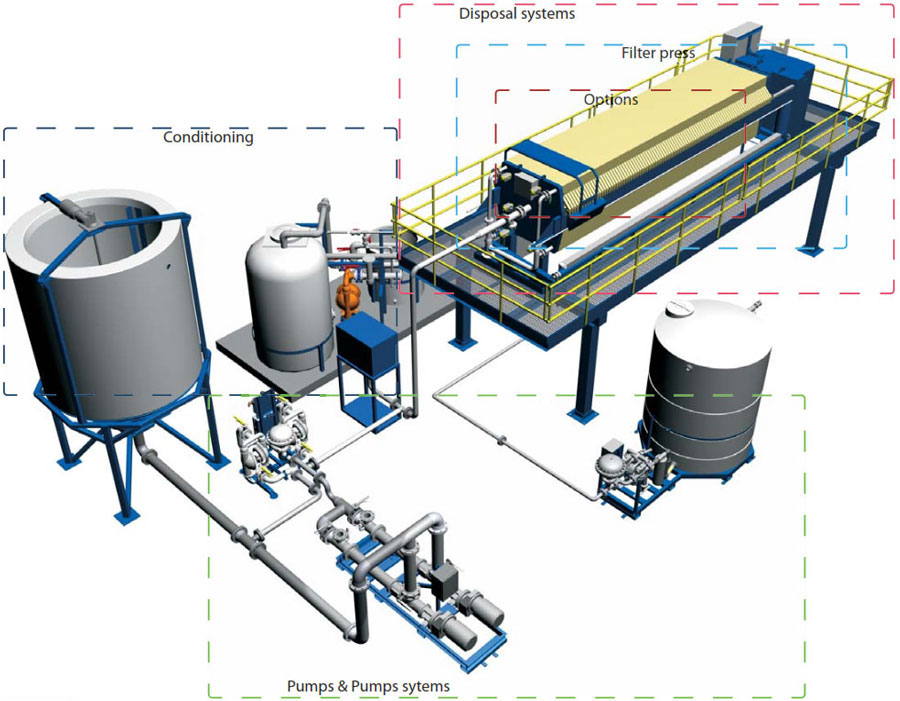
P Makina designs each waste acid treatment system around your effluent profile—flow rate, acid strength, metal load, and local discharge permit. Conditioning tanks, chemical preparation units, clarifiers, pump skids, and filter presses are sized as one package rather than disconnected add-ons.
Waste acid is highly corrosive. Neutralization units can be manufactured from polypropylene (PP) or high-density polyethylene (HDPE) according to the pH characteristics and temperature of the waste stream. Piping, pump wetted parts, and tank reinforcements are selected for chemical compatibility. Compliance of manufactured units with environmental management expectations should be verified through testing and commissioning checks before continuous operation.
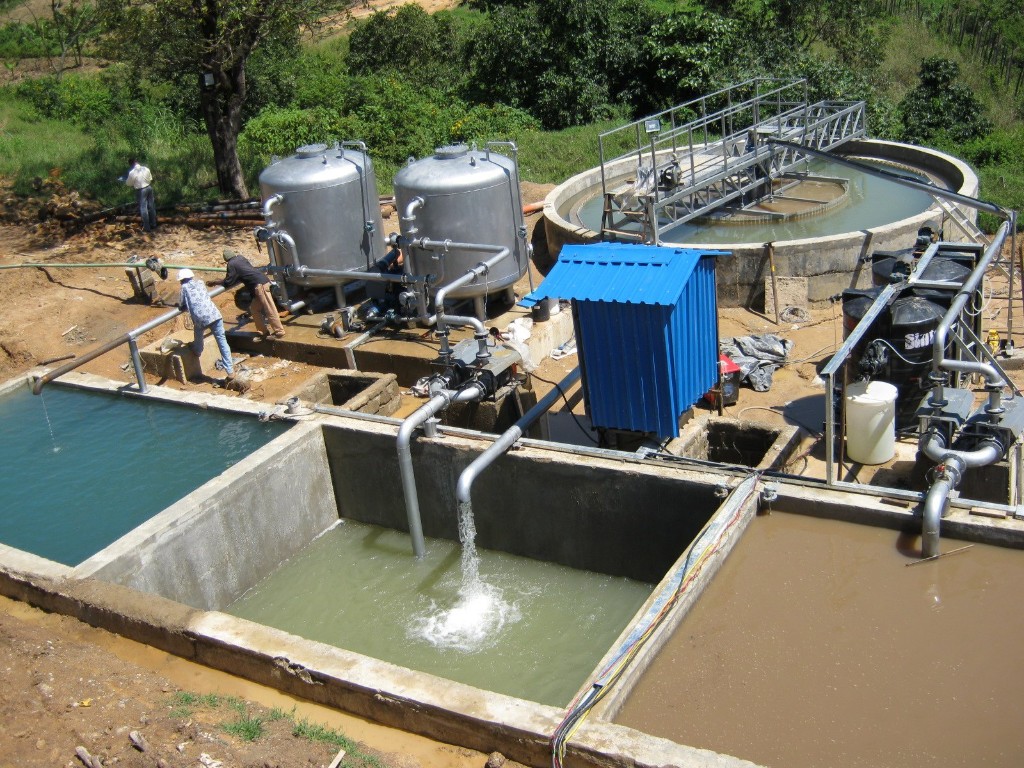
Mobile or skid-mounted waste acid treatment systems with caster frames are available for laboratories and compact refining cells. Larger outdoor plants use concrete basins, metal pressure vessels, clarifiers, and multi-stage sedimentation where capacity and solids loading demand it.
Automatic feeding maintains the optimum pH window with less operator intervention. Integration of chemical preparation and sedimentation tanks improves treatment reliability for variable refining effluent. Gradual sedimentation helps reach environmental limits, while filter press duty delivers high separation rates for precipitated solids. Together these features make the waste acid treatment system a practical environmental backbone for PGM and precious metal plants.
Where process design allows, neutralized substances can reduce fresh acid or base demand and support circular-economy targets. That does not replace discharge compliance; it complements it by cutting reagent costs and waste volume over time.
Typical users include PGM refining plants, gold refining lines with aqua regia or related chemistries, catalytic converter recycling facilities, and hydrometallurgical R&D or production labs. Any site generating acidic rinse waters, spent leach solutions, or alkaline scrubber blowdown can benefit from a dedicated waste acid treatment system matched to flow and chemistry.
Buyers searching this category commonly use terms such as waste acid treatment system, pH neutralization plant, refining wastewater treatment, acid neutralization unit, filter press for metal precipitates, and PGM effluent treatment. P Makina aligns specifications and page content with these needs so technical and procurement teams share a clear scope.
Successful projects start with effluent sampling and a mass balance of acid, metals, and solids. Layout must allow chemical storage, spill containment, operator access to the filter press, and safe routing of treated water. During operation, calibrate pH probes regularly, verify dosing pump accuracy, and monitor filter cloth condition. Documented procedures keep the waste acid treatment system within permit limits during start-up, steady state, and shutdown.
P Makina supports conditioning-to-disposal flowsheets, pump system selection, and optional filter press configurations so your plant can scale from compact skids to multi-basin outdoor treatment trains.
If your refining line needs reliable pH neutralization and solids handling, contact P Makina to review effluent data and capacity targets. We engineer waste acid treatment systems that protect the environment, satisfy regulatory discharge ranges, and integrate cleanly with PGM and precious metal hydrometallurgy.
Environmental authorities expect documented control of refining wastewater. A waste acid treatment system creates measurable pH records, defined chemical consumption, and separated solids that can be handled under hazardous-waste or metal-residue procedures as applicable. This traceability helps audits and demonstrates that PGM refining growth does not come at the expense of uncontrolled acid discharge.
Operators should train staff on reagent handling, spill response, probe calibration, and filter press safety. When these practices sit on top of sound equipment design, the waste acid treatment system becomes a durable part of the plant’s environmental management system rather than an emergency add-on after a permit issue.
Small refining cells and laboratories often prefer wheeled, enclosed waste acid treatment systems with dosing pumps, clear containment panels, and local HMI control. Larger facilities may need multi-basin sedimentation, clarifiers, pressure filters, and high-capacity pump networks outdoors. P Makina covers both ends of this spectrum so your investment matches real effluent volume instead of oversizing or undersizing the neutralization duty.
Whichever scale you choose, the engineering logic stays the same: measure, dose, mix, settle, filter, and verify. That sequence is what turns aggressive waste acid into discharge-ready water and manageable solids inside a professional waste acid treatment system.
Answers about pH neutralization, PGM refining wastewater, filter presses, and environmental compliance.

From the P Makina Blog
E Waste Recycling Machine: How to Choose Industrial Equipment: Complete Guide by P Makina E Waste Recycling Machine: How to Choose Industrial Equipment is one of the most searched industrial topics among investors and...
Read full article