
Wet scrubber stages
Packed and tray-style towers remove acid gases, corrosives, and particulates from refining exhaust streams.





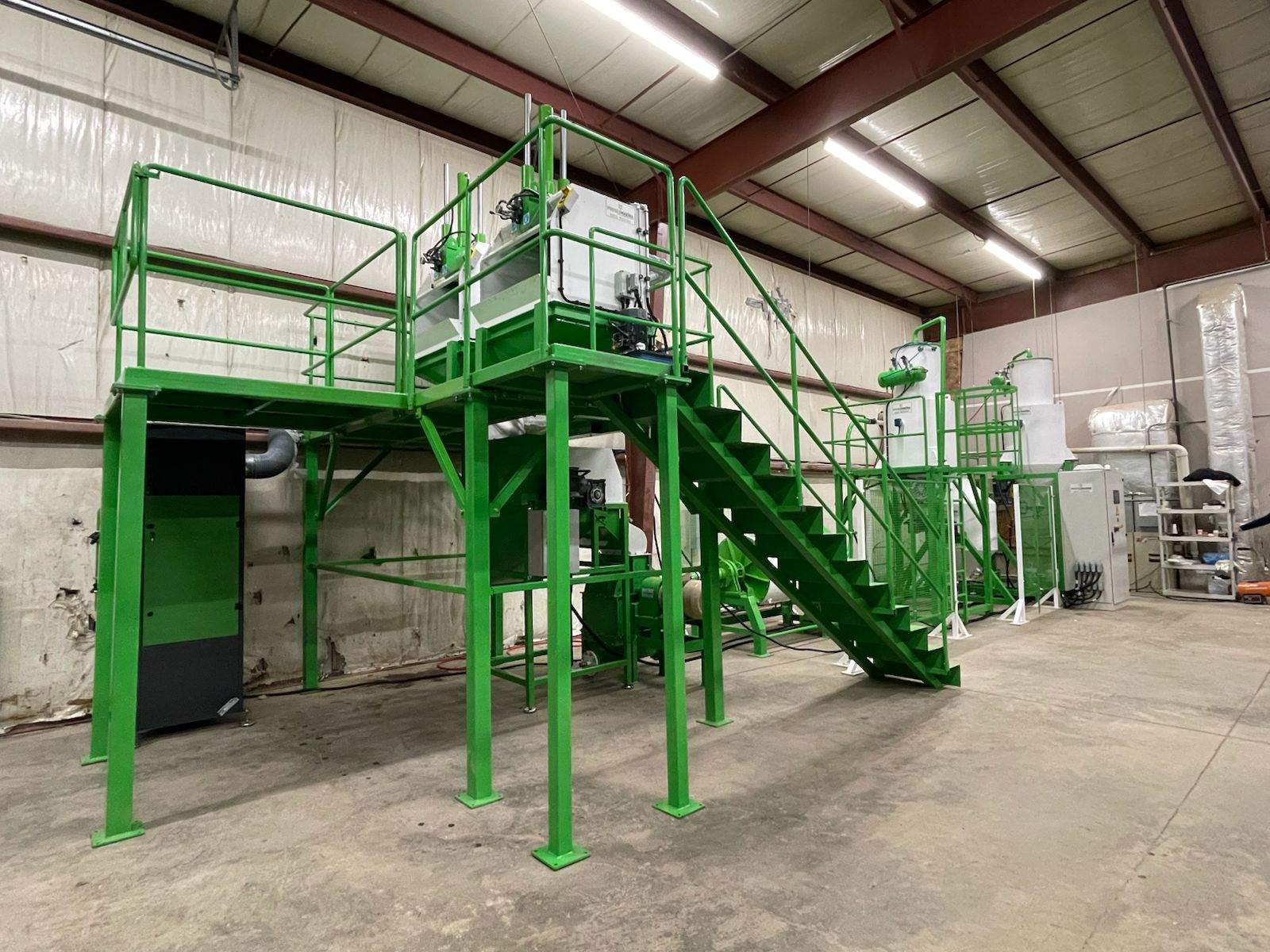
Waste gas treatment systems and wet scrubbers for PGM refining: acid fume neutralization, packed towers, and safer exhaust control by P Makina.
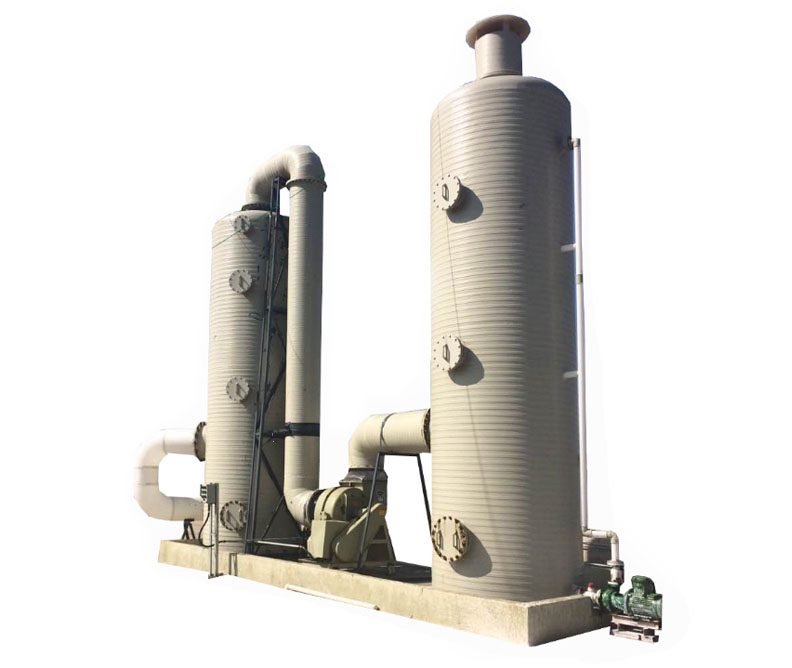
Packed and tray-style towers remove acid gases, corrosives, and particulates from refining exhaust streams.
Tower geometry and contact time are designed so neutralization reactions can complete reliably.
PP/PVC style wetted parts protect the waste gas treatment system against aggressive PGM process fumes.
Choose compact modular scrubbers or dual-tower skids with blowers and recirculation pumps.
Sight glasses, access ports, level gauges, and control panels support safe daily operation.
A waste gas treatment system is a critical environmental module in any platinum group metal (PGM) refining plant. Chemical leaching, precipitation, and high-temperature steps release acidic fumes, corrosive vapors, and other hazardous compounds. P Makina designs waste gas treatment systems and wet scrubbers that capture and neutralize these emissions so refining can run cleaner, safer, and in line with air-quality expectations.
Fume treatment focuses on managing gases and vapors generated during hydrometallurgy—volatile organic compounds (VOCs), acid gases such as NOx-related streams and HCl-bearing fumes, and particulate-laden exhaust. Proper waste gas treatment reduces environmental impact, protects operators, and supports long-term operating licenses for precious metal plants.
Without dedicated gas scrubbing, corrosive exhaust damages ductwork, contaminates workrooms, and creates community and regulatory risk. A correctly sized waste gas treatment system sits downstream of reactors, hoods, and process vents, treating dirty air before stack release or before recirculation where process design allows. For PGM refining, catalytic converter recycling, and related chemical refining cells, wet scrubbing is the practical technology for acid gas control and particulate capture.
P Makina packages single-stage and multi-stage scrubbers, circulation pumps, ducting, blowers, and controls as one waste gas treatment system rather than disconnected fans and tanks. That integration improves contact time, liquid distribution, and maintenance access.
In a wet scrubber, a liquid—often water or a chemically conditioned solution—contacts the waste gas stream. Liquid droplets and wetted packing surfaces entrain particles and absorb soluble pollutants. Contaminated liquor returns to a sump or base tank for recirculation, while treated air leaves through the exhaust stack. Absorption liquid selection depends on the gas mixture: alkaline solutions for acid gases, specialized reagents when target contaminants require chemical reaction as well as physical absorption.
Packed tower and tray-style chemical washing towers increase gas–liquid contact. Perforated trays inside a vertical cylindrical column create foaming and extended surface area so reactions that need tens of seconds of contact time can complete. After treatment, gases are released if they meet regulatory standards or returned to the process when appropriate.
Many PGM duties benefit from two or more scrubbing stages in series. A first tower knocks down the bulk acid load; a second polishing stage improves removal efficiency before discharge. Skid-mounted waste gas treatment systems with twin towers, a central centrifugal blower, and recirculation pumps deliver compact capacity for industrial plants. Modular vertical scrubbers with individual base tanks, sight glasses, and local controls suit laboratories and expandable refining lines.
Optimum design provides sufficient contact time for liquid–pollutant reactions to finish. Special geometry with an extended contact surface is required because some neutralization reactions are relatively slow. Liquid-to-gas ratio, packing type, spray coverage, and tower height are balanced against fan power and plant footprint. A well-tuned waste gas treatment system maintains removal efficiency across variable airflow from batch refining cycles.
Refining exhaust attacks ordinary steel. P Makina waste gas treatment systems use chemical-resistant plastics and lined components for towers, tanks, and much of the duct path. This material strategy extends service life when handling acidic fumes from aqua regia style chemistries, chlorine-related streams, and other aggressive PGM process gases. Black steel support frames carry mechanical loads while wetted parts stay in compatible polymers.
Waste gas treatment units minimize harmful emissions and contribute to workplace safety. Neutralizing toxic gases supports clean air standards and a healthier industrial environment. As an integral part of the refining flowsheet—alongside laboratory hoods and waste acid treatment—the waste gas treatment system strengthens overall sustainability and environmental compliance.
Operators should monitor recirculation flow, sump level, reagent strength, and differential pressure across towers. Regular inspection of spray nozzles, packing, and blower belts keeps scrubbing performance stable between planned shutdowns.
Typical installations serve PGM chemical refining reactors, fire assay and laboratory hood exhaust, roasting or ashes treatment off-gas (where wet scrubbing is suitable), and general hydrometallurgical vent streams. Buyers searching this category look for waste gas treatment system, wet scrubber, chemical washing tower, acid fume scrubber, PGM refining exhaust treatment, and packed tower scrubber. P Makina aligns equipment capability with this language so specifications stay clear for engineering and procurement.
Selection starts with gas composition, peak and average airflow, temperature, and required outlet concentration. From there, stage count, tower diameter, pump duty, and blower static pressure are fixed. Compact three-tower modules suit growing labs; large dual-column skids suit continuous industrial refining. P Makina helps match both ends so you do not under-treat peaks or overspend on unused capacity.
Contact P Makina to review your vent sources and emission targets. We engineer waste gas treatment systems that make PGM refining cleaner and safer—from wet scrubber towers and chemical washing stages to pumps, ducts, and controls.
A waste gas treatment system performs best when duct routing from reactors, laboratory hoods, and process vessels is planned early. Capture at source reduces fugitive emissions in the hall, while the scrubber handles the concentrated stream. Balancing damper settings and blower capacity across multiple vents keeps tower velocity in the design window so packing stays irrigated and contact time remains effective.
When refining lines expand, modular scrubber capacity can be added in parallel or as an extra polishing stage. This staged investment path lets plants grow PGM throughput without redesigning the entire air pollution control philosophy.
Routine maintenance of a waste gas treatment system includes checking pump seals, cleaning spray headers, inspecting packing for fouling, verifying pH or reagent strength in the recirculation liquor, and confirming stack draft. Recording these checks builds a performance history that helps diagnose drops in removal efficiency quickly.
Over time, plants can refine reagent recipes and liquid bleed rates to cut chemical cost while holding emission targets. That continuous improvement mindset turns the waste gas treatment system into an operational asset—protecting people, equipment, and permits as refining chemistry evolves.


Common questions about wet scrubbers, chemical washing towers, and PGM refining exhaust treatment.

From the P Makina Blog
E Waste Recycling Machine: How to Choose Industrial Equipment: Complete Guide by P Makina E Waste Recycling Machine: How to Choose Industrial Equipment is one of the most searched industrial topics among investors and...
Read full article