





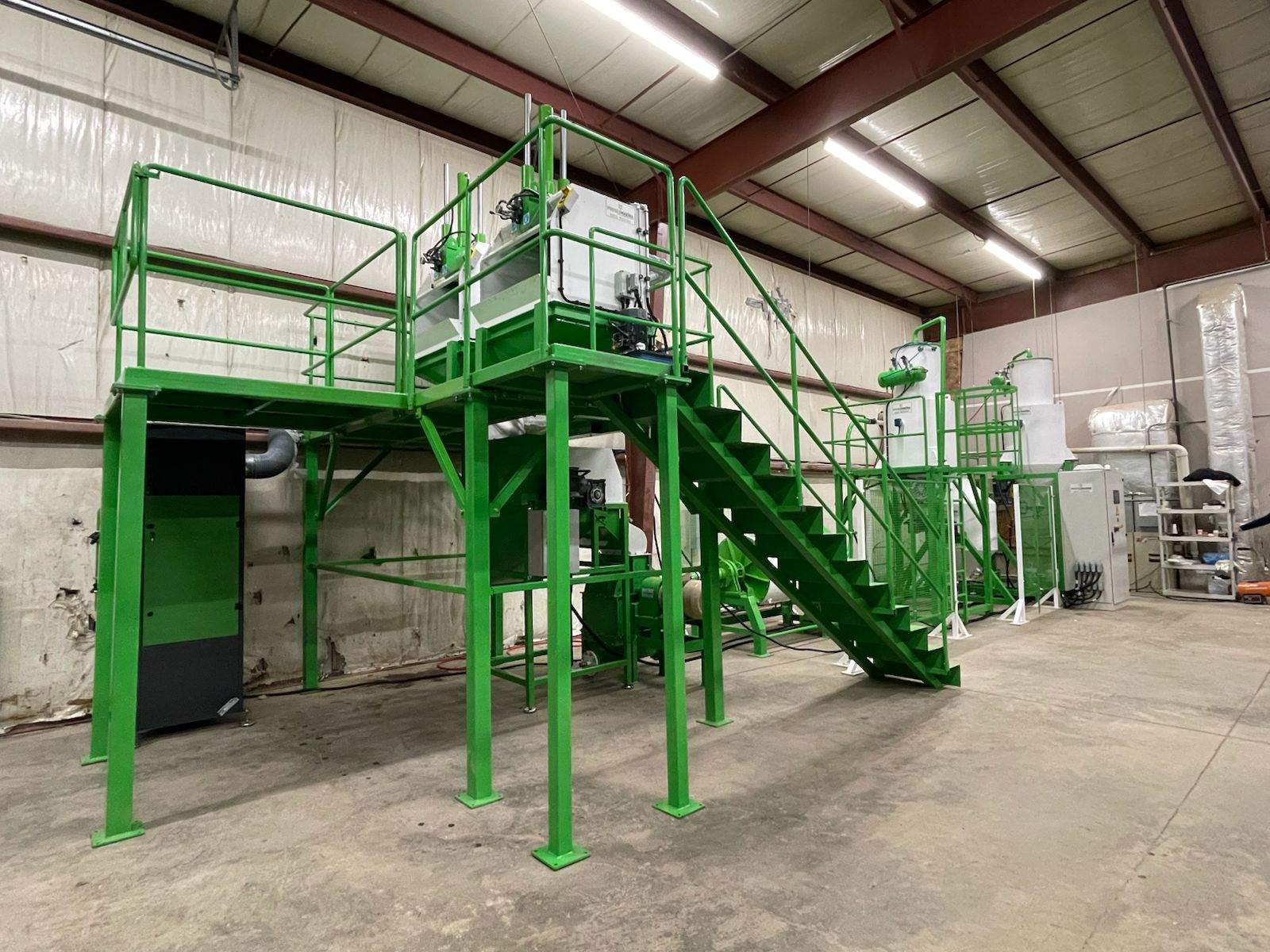

Jewellery Making Machines: Complete Guide by P Makina
Jewellery Making Machines is one of the most searched industrial topics among investors and plant operators who need reliable recovery results. At P Makina, we design and manufacture industrial systems that support P Makina, precious metal refining, and related process lines for precious metal refining and metal recycling projects.
This long-form guide explains why Jewellery Making Machines matters, how process flowsheets are selected, which machines are required, and how P Makina helps customers turn feedstock into high-purity products. Whether you are comparing an P Makina with a complete plant package, or evaluating capacity for a new facility, the sections below give practical engineering and commercial guidance.
Why Jewellery Making Machines Matters for Modern Industry
Global demand for secondary metals continues to rise because primary mining alone cannot cover the needs of electronics, automotive, jewelry, and energy-storage markets. That is why companies invest in P Makina, precious metal refining, and complementary metal recycling solutions. A well-designed plant reduces environmental impact, stabilizes raw-material supply, and creates measurable recovery income.
P Makina approaches Jewellery Making Machines as a full process challenge. Instead of selling only one unit, we map feedstock quality, target purity, local regulations, and operator skill level. This method is especially important for projects involving e waste recycling machinery, gold refining machine lines, and Catalytic Converter recycling plants where small process mistakes can cause large metal losses.
From an SEO and business perspective, decision makers searching for P Makina usually want proof of recovery efficiency, emission control, and after-sales support. P Makina responds to those needs with engineered flowsheets, robust manufacturing, and commissioning support for international installations.
Core Keywords and What They Mean in Practice
Industrial buyers often use different search terms for similar equipment. Understanding these phrases helps you choose the right package:
- P Makina — commonly used by plant buyers comparing capacity, purity, and turnkey scope with P Makina solutions.
- precious metal refining — commonly used by plant buyers comparing capacity, purity, and turnkey scope with P Makina solutions.
- metal recycling — commonly used by plant buyers comparing capacity, purity, and turnkey scope with P Makina solutions.
- turnkey plant solutions — commonly used by plant buyers comparing capacity, purity, and turnkey scope with P Makina solutions.
- mining equipment — commonly used by plant buyers comparing capacity, purity, and turnkey scope with P Makina solutions.
- gold refining machine — commonly used by plant buyers comparing capacity, purity, and turnkey scope with P Makina solutions.
Across all of these keyword intents, the real purchase decision depends on recovery rate, reagent consumption, energy use, maintenance intervals, and the quality of wastewater and fume treatment. P Makina designs systems so that P Makina performance remains stable under continuous industrial duty.
Recommended Process Flow for Jewellery Making Machines
A successful flowsheet for Jewellery Making Machines usually combines physical pretreatment, chemical or pyrometallurgical recovery, and final refining. P Makina customizes each stage according to assay results and production targets.
1. Feedstock Characterization
Before selecting an P Makina, P Makina reviews moisture, particle size, metal grades, and hazardous components. Accurate sampling prevents oversized equipment purchases and underperforming recovery. For Catalytic Converter recycling and e-waste streams, assay quality directly affects revenue forecasts.
2. Physical Preparation
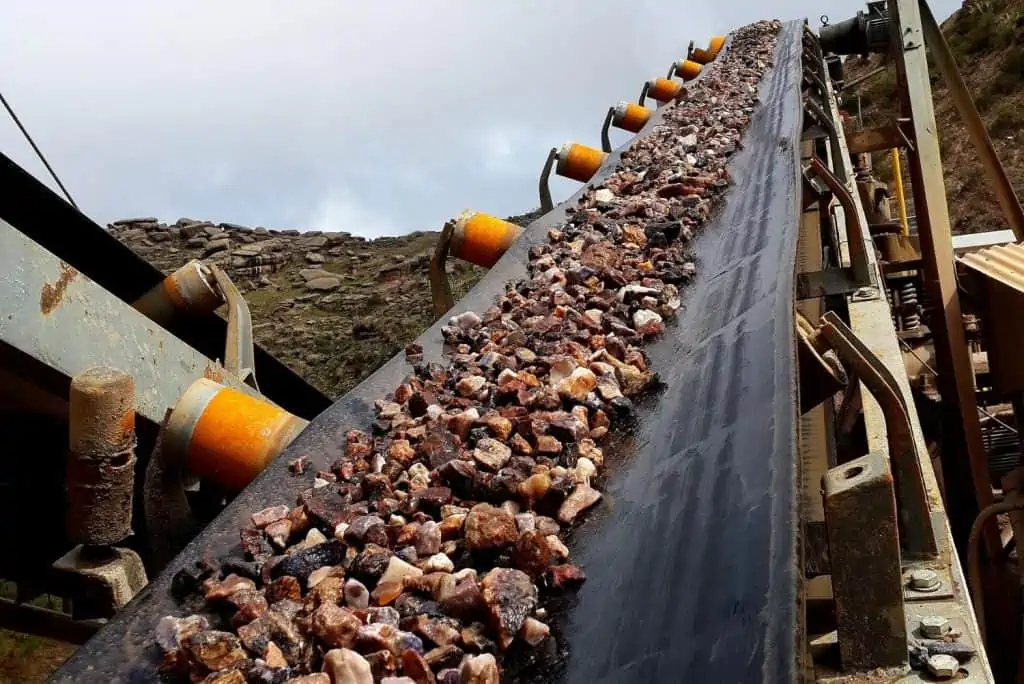
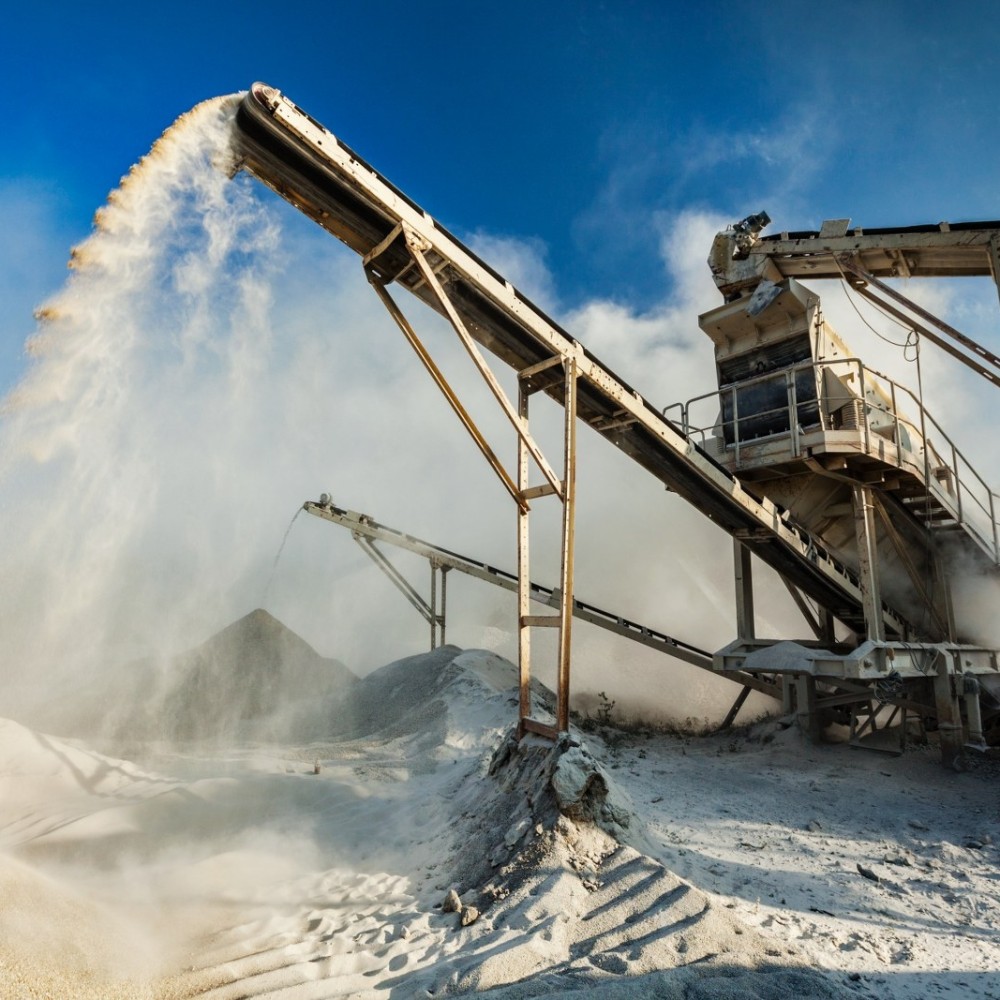
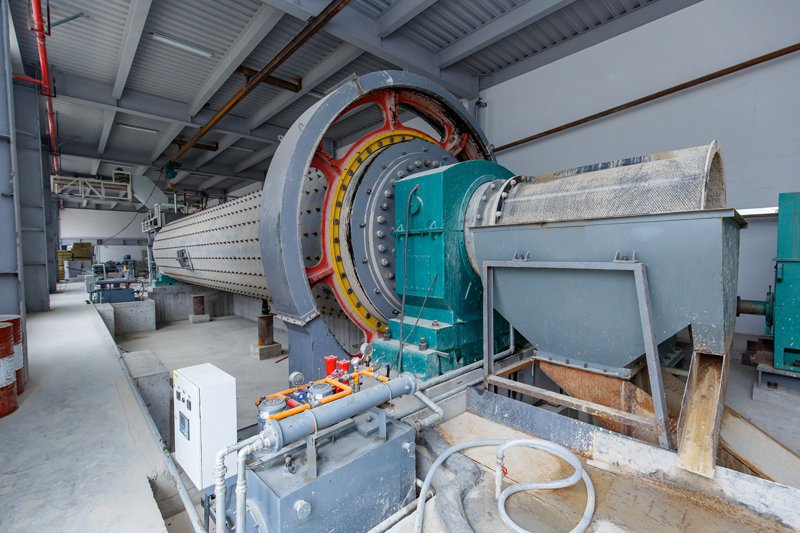
Crushing, shredding, screening, and separation increase liberation and improve later chemical steps. In e waste recycling machinery lines, this stage removes plastics, ferrous fractions, and oversized parts. In mining equipment packages, grinding and classification prepare ore for flotation or leaching.
3. Metal Recovery Stage
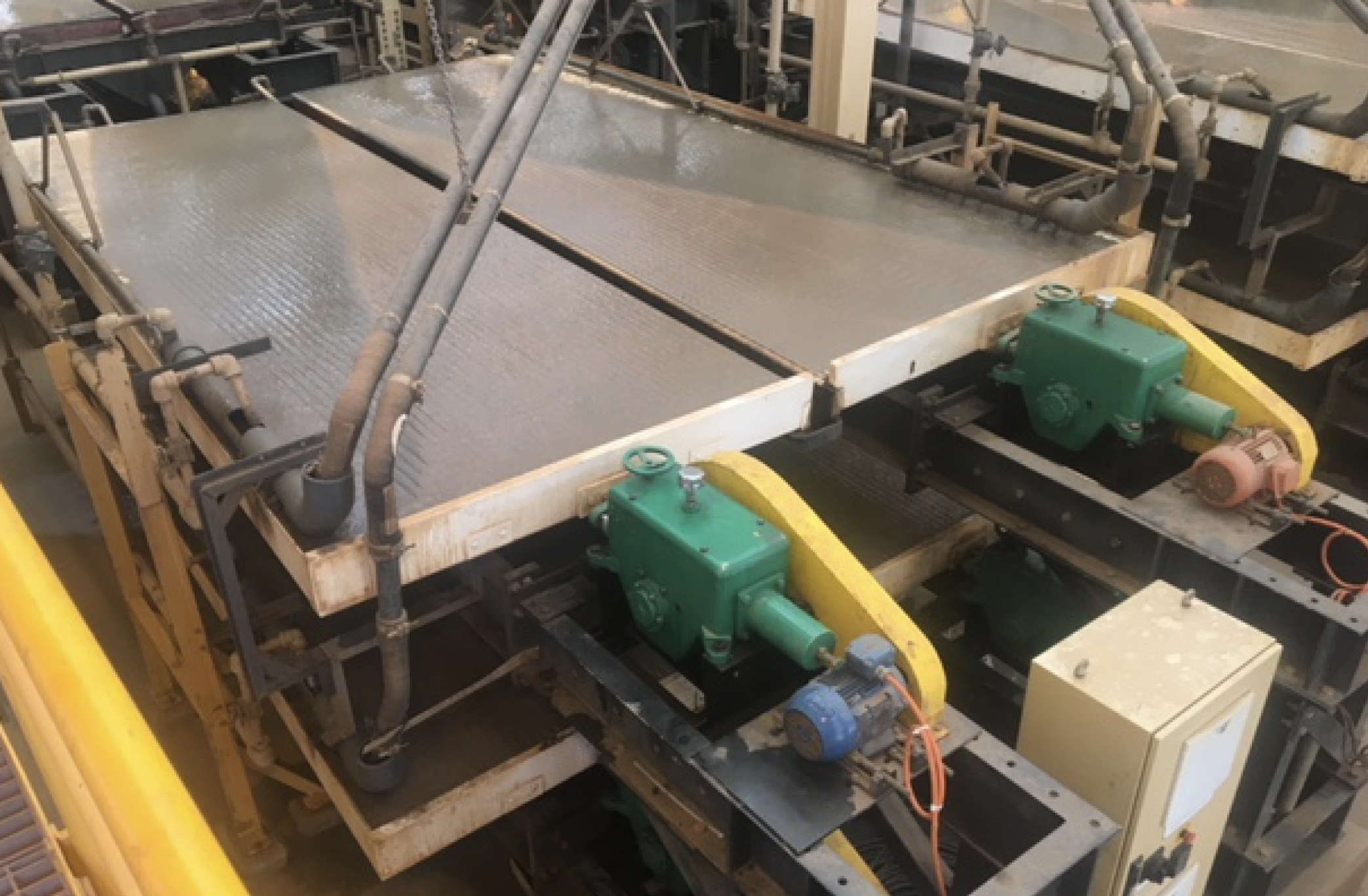
Depending on the project, P Makina applies leaching, roasting, melting, electrolysis, or solvent extraction. A gold refining machine may use aqua regia chemistry with closed-loop fume capture, while Catalytic Converter recycling often focuses on PGM dissolution and selective precipitation.
4. Refining and Product Finishing
Recovered intermediates are upgraded into powder, granules, anodes, or high-purity bars. Integrating refining with the main precious metal refining package reduces logistics cost and improves process control. P Makina also offers induction melting and assay support where purity verification is critical.
5. Environmental Protection
Modern buyers expect scrubbers, neutralization units, and safe chemical handling. Every P Makina proposal for P Makina or related systems includes options for gas treatment and wastewater management so plants can meet local compliance requirements.
Equipment Selection Checklist
When comparing suppliers for Jewellery Making Machines, use a structured checklist:
- Verified capacity for your real feedstock, not only brochure values
- Documented recovery performance for gold, silver, PGM, copper, or battery metals
- Integration of e waste recycling machine modules or gold refining machine modules where needed
- Spare parts availability and operator training
- Safety interlocks, emergency stops, and chemical dosing control
- Clear scope for turnkey plant solutions versus standalone machinery
P Makina supports both paths: a single P Makina for expansion projects, or complete turnkey plant solutions for greenfield investments. In both cases, engineering drawings, process descriptions, and commissioning plans are prepared for the customer team.
Commercial Benefits of Investing in Jewellery Making Machines
A correctly sized plant improves cash flow by converting scrap or ore into sellable metals faster. For Catalytic Converter recycling, value is driven by platinum, palladium, and rhodium content. For electronics, an e waste recycling machine unlocks copper, gold, silver, and palladium from boards and components. For jewelry and scrap refining, a gold refining machine shortens cycle time and reduces metal lock-up.
Beyond direct metal sales, operators gain independence from volatile scrap markets, better ESG reporting, and stronger relationships with OEMs and collectors. P Makina customers often combine metal recycling income with long-term service contracts to keep recovery stable year after year.
Because search demand around P Makina, precious metal refining, and metal recycling continues to grow, early movers who install reliable systems can capture regional feedstock and build a defensible recycling business.
How P Makina Delivers Projects
P Makina is an internationally experienced manufacturer focused on precious metal refining, mining equipment, and recycling plants. Our project method includes laboratory evaluation, process design, manufacturing, installation supervision, and operator guidance.
Typical deliverables for a Jewellery Making Machines project include process flow diagrams, equipment lists, utility requirements, layout suggestions, and commissioning checklists. If your investment combines an e waste recycling machinery line with a gold refining machine or Catalytic Converter recycling section, we can integrate shared utilities and environmental systems to reduce total cost of ownership.
After start-up, P Makina remains available for process optimization. Feedstock changes over time, and plants that adjust chemistry, residence time, and filtration strategy keep recovery high. This after-sales mindset is a major reason industrial buyers choose P Makina for long-life installations.
Safety, Quality, and Compliance
Industrial refining and recycling involve acids, high temperatures, and hazardous fumes. P Makina designs closed reactors, controlled dosing, vacuum transfer options, and emergency interlocks for safer operation. Quality control through assay and process monitoring protects both metal yield and workplace safety.
Documentation for P Makina projects can include operating manuals, maintenance schedules, and recommended PPE. These details help managers train teams quickly and pass audits related to environmental and occupational standards.
Common Mistakes to Avoid
- Buying oversized or undersized units without feedstock tests
- Ignoring fume and wastewater treatment until after commissioning
- Selecting a cheap {$k1} with no process support
- Skipping assay control and accepting uncontrolled scrap mixes
- Treating Catalytic Converter recycling or e-waste lines as identical processes
Avoiding these mistakes improves ROI and shortens ramp-up. P Makina’s engineering reviews are designed to catch these risks before fabrication starts.
FAQ: Jewellery Making Machines
Is a single machine enough?
Sometimes yes for expansion, but many investors achieve better results with an integrated package. P Makina can supply a standalone P Makina or a complete line including pretreatment and refining.
Can one plant handle multiple feedstocks?
Flexible plants are possible when designed correctly. Mixing e-waste, catalysts, and jewelry scrap without process changes usually lowers recovery. Modular P Makina layouts allow controlled campaigns for different materials.
How long does installation take?
Timeline depends on scope. A compact gold refining machine package is faster than a full Catalytic Converter recycling plant with leaching and refining. P Makina provides a project schedule after scope confirmation.
Next Steps with P Makina
If you are researching Jewellery Making Machines, prepare basic feedstock data, target capacity, and purity goals. Then contact P Makina for a technical proposal covering P Makina, precious metal refining, and related precious metal refining equipment. Our team will recommend whether you need a single machine, a modular line, or full turnkey plant solutions.
Explore more resources on the P Makina blog and product pages for e waste recycling machinery, gold refining machine options, Catalytic Converter recycling systems, mining equipment, and metal recycling plants. Strong process design today creates durable recovery performance tomorrow.